
Saint Laurent Bags UK | The 37, Kate, Sac De Jour, Monogram — The Buying Guide
A practical guide to buying Saint Laurent bags in the UK. Covers the Monogram, The 37, Kate, Sac De Jour Nano, and Le 5 à 7 — each bag family explained, the leather and hardware differences that matter, how SL compares to Bottega Veneta, and which format works for which brief.
Browse live designer bags
Move into current totes, shoulder bags, and crossbody bags once the shape is clear.
Build a shortlist
Pre-fill a bag shortlist by use and budget against live UK stock.
Saint Laurent is one of the most coherent brand identities in the designer bag market — but it is also one of the most misunderstood. The brand is often positioned as a step below Hermès or Chanel in the heritage hierarchy, which is technically accurate by history but understates what Saint Laurent does well: consistent leather construction, hardware that is immediately recognisable without being ostentatious, and a range of bag families that each serve genuinely different briefs. The current SimLuxury Saint Laurent edit is compact, so this guide uses the live Kaia and Sac De Jour-style routes as anchors while keeping the Monogram, The 37, Kate, and Le 5 à 7 as useful buying context. Browse the full handbags, shoulder bags, and crossbody bags range alongside this guide.
1. Understanding Saint Laurent's position: what kind of brand this actually is
Yves Saint Laurent was founded in 1961 by the designer of the same name, who had previously been creative director at Dior before his own house. The brand was responsible for several genuine landmark moments in fashion: the Le Smoking tuxedo suit for women in 1966, the safari jacket, the sheer blouse. The point is that Saint Laurent's heritage is creative disruption — bringing menswear codes into womenswear, refusing the ladylike aesthetic of its contemporaries — not the quiet craftsmanship tradition of Hermès or the couture grandeur of Chanel.
In 2012, Hedi Slimane stripped the brand back to its rock-and-roll bones and renamed the ready-to-wear house from "Yves Saint Laurent" to simply "Saint Laurent." The YSL logo — the interlocked monogram designed in 1963 — was retained on accessories. The rebrand was polarising at the time and is now almost entirely accepted. Anthony Vaccarello, who took over in 2016, has maintained the rock-chic core while adding a looser, more Parisian-inflected aesthetic to the women's ready-to-wear. For bags, the effect is a consistent DNA across the range: black leather as the dominant material story, gold or silver hardware, clean lines with one signature element per family.
In the UK luxury bag market, Saint Laurent typically occupies the same consideration tier as Celine and Loewe — below Hermès, Chanel, and Louis Vuitton in heritage, but firmly in the top tier of contemporary luxury. Prices on the full range run from roughly £1,000 to £4,000+ for the more elaborate pieces. The current SimLuxury edit sits around the lower-to-mid thousands, which is accessible by Saint Laurent standards and useful for buyers entering the brand for the first time.
2. The Monogram: the entry point, the most imitated bag, and why it still matters
Current Saint Laurent Kaia crossbody route
The Saint Laurent Monogram is the brand's most commercially important bag — the one that most buyers encounter first, the one most widely imitated at lower price points, and the one that carries the YSL turn-lock clasp hardware as its defining visual element. The Monogram family spans several sizes and leather finishes; the Grain De Poudre version here is one of the most practical choices for regular use.
Grain de poudre translates as "powdered grain" — it refers to the fine, tight pebble texture embossed or worked into the leather surface. The practical consequence is greater scratch resistance than smooth leather, less visible daily wear, and a surface that handles humidity and light rain better than polished calf. For a first designer bag, grain de poudre is the correct starting point over smooth or quilted finishes.
The YSL turn-lock and logo hardware remain the signature elements — the interlocked Y, S, and L are still among the most recognisable accessories motifs in the market. In the current live edit, that instinct shows up more through logo-led and quilted Saint Laurent crossbody routes than through the exact older Monogram SKU. The buying principle is the same: if you want Saint Laurent to read clearly and immediately as Saint Laurent, this is the lane to start with.
3. The 37 and Le 37 Mini: structured bags for two very different scale briefs
Current Saint Laurent collection
The 37 family is Saint Laurent's structured architectural bag — a clean-lined, top-handle design that reads more formal and deliberate than the softer shoulder bags in the range. Both carry the same design identity; they differ in scale and, consequently, in how they function day to day.
The 37 family is not a strong active route in the current SimLuxury Saint Laurent edit, but it remains useful context for buyers who like structured, architectural bags. If you want Saint Laurent to feel sharp, deliberate, and more top-handle minded than flap-bag or hobo-led, compare the active Sac De Jour route first.
For buyers who like the 37 idea but do not need the bag to be their main daily carry, it is still worth comparing the wider Saint Laurent crossbody and shoulder selection before committing. The question is not only size. It is whether you want the 37’s architectural precision specifically, or whether you simply want a polished Saint Laurent bag with a little more structure than the softer house styles.
4. The Kate: chain strap, envelope flap, and the day-to-evening case
Current Saint Laurent Kaia route
The Kate is Saint Laurent's chain-strap envelope flap bag — the design most directly comparable in format to the Chanel Classic Flap, although the Kate's aesthetic is younger, rock-inflected, and less ceremonial. The defining feature is the chain strap: fully chain-link rather than the leather-threaded chain of the Chanel, which gives it a harder edge and keeps it closer to Saint Laurent's rock-and-roll DNA.
The envelope flap and chain-strap logic is still one of the most occasion-flexible shapes in the designer bag market, even though the current live SimLuxury Saint Laurent edit is not Kate- or Jamie-led. It reads as formal enough for evening wear and smart enough for a dressed-up daytime occasion, which is why it remains useful comparison context for “one good Saint Laurent bag” decisions.
The key buying point here is hardware and mood. If you want Saint Laurent to feel softer, quilted, and a little more overtly glamorous than the 37, the Jamie-style route is the better modern comparison. If you want the brand at its sharpest and most controlled, move back toward the 37 or Sac De Jour side of the range instead.
5. The Sac De Jour Nano: structured icon in miniature
Current Saint Laurent Sac De Jour route
"Sac De Jour" means bag of the day — it was designed as Saint Laurent's answer to the structured, top-handle daily work bag, in the tradition of the Céline Luggage or the Dior Book Tote. The full Sac De Jour is a substantial piece with genuine capacity. The Nano is the miniaturised version — retaining the entire architectural vocabulary of the original (the double-handle grip, the structured frame, the precise leather stitching at the edges and base) but scaled to a size where capacity becomes a secondary concern.
Understanding the Sac De Jour correctly is important before buying. Smaller versions are primarily design pieces, while larger versions move closer to everyday function. For buyers who want the Sac De Jour as a daily bag, check capacity and opening carefully rather than relying on the structured look alone.
The construction is precise and expensive for its size — the structure requires more careful internal framing than a soft bag of comparable dimensions, and the full leather exterior is consistent with the quality of the larger Sac De Jour pieces. It rewards buyers who choose it for what it is: a bag-as-object rather than a bag-as-utility.
6. Le 5 à 7: the soft hobo and when it works
"Cinq à sept" — five to seven — is a specifically French cultural expression for the transitional hours between the end of the working day and the start of evening. It implies an unhurried, social, non-committal quality. The Le 5 à 7 bag carries this name deliberately: it is the Saint Laurent bag for buyers who find the brand's other offerings — the Monogram's hardware, the Kate's chain, the 37's rigidity — too deliberate or formal.
In format, the Le 5 à 7 is a relaxed hobo bag with a single shoulder strap and minimal external structure. It slouches in a way that the 37 or Sac De Jour never would. It is not a strong active route in the current Saint Laurent edit, so use the broader shoulder-bag page if that relaxed hobo idea is the shape you actually want.
The useful lesson from the Le 5 à 7 is proportion: a hobo bag too large can become shapeless, while a smaller version can keep a clearer silhouette and still feel easy for day-to-evening wear. If the rest of the Saint Laurent range feels too precise or too intentionally styled, this is the counterpoint to understand before browsing the current shoulder-bag edit.
7. Saint Laurent leather and hardware: what to know before you buy
Every Saint Laurent bag in the current selection is full leather construction — there are no canvas or fabric-body pieces here, which positions all six at the more conservative and durable end of the designer bag market. The key material choices in the range are:
Grain de poudre (Monogram): fine pebble texture, most resistant to surface wear, retains appearance with minimal care. The standard choice for buyers who want practicality alongside design.
Smooth leather (The 37, Kate, Sac De Jour Nano, Le 5 à 7): shows the leather's quality most clearly, develops a patina over time, more susceptible to scratching and moisture than textured options. Proper leather care (conditioning every few months, storage in the dust bag, avoiding prolonged moisture exposure) is more important for smooth leather than for textured.
Hardware finishes: Gold-toned and silver-toned hardware are both standard in the SL range. Gold hardware develops a warmer patina over time; silver hardware maintains its cool tone but can show surface wear on high-contact points (the YSL clasp, strap rings) over years of use. Neither is inherently more durable; both are brass with plating rather than solid precious metal. Use a soft dry cloth for hardware cleaning and avoid contact with perfume or skin products, which accelerate plating wear.
Resale performance is strongest on the Monogram — it is the most liquid SL piece in the secondhand market because it is the most widely searched. The Kate and Sac De Jour also have consistent secondary market interest. The 37 family is newer and has less established resale history. All Saint Laurent bags benefit from retention of the dust bag, box, and care card, which meaningfully affects resale value.
8. Saint Laurent vs Bottega Veneta: who each brand is for
Saint Laurent and Bottega Veneta are frequently compared because they overlap in price range and target a similar demographic — buyers who have moved past the entry-level designer tier and want something more considered than a monogram canvas bag but less institutional than Hermès. The distinction between them is more about philosophy than price.
Saint Laurent is a hardware brand. The YSL clasp, the chain strap, the branded turn-lock — these are the identity markers, and they are intentionally legible. A Saint Laurent bag reads clearly as a Saint Laurent bag to people who follow fashion. This is not a criticism; it is a design intention. The brand's aesthetic is rock-and-roll and Parisian-cool, and the hardware is part of that story.
Bottega Veneta is deliberately anti-logo. The Intrecciato woven leather is the brand's signature technique, not a visible badge. Tomas Maier, the creative director who built the modern Bottega identity, explicitly positioned the brand for buyers who recognised quality without needing legible brand signals. Daniel Lee and now Matthieu Blazy have maintained that positioning. A Bottega Veneta bag does not announce itself to general audiences the way a Monogram clasp does.
The practical question is: which matters more to you — a brand identity that reads clearly as luxury in broad social contexts, or a brand identity that reads clearly as luxury to those specifically interested in fashion? Saint Laurent serves the former. Bottega Veneta serves the latter. Neither is the objectively correct answer; they are different positions for different buyers.
For broader context on how these compare within the full designer bag landscape, the designer shoulder bags guide and designer crossbody bags guide cover the cross-brand decision framework in more detail.
Quick answers
Why did Yves Saint Laurent become Saint Laurent, and what happened to the YSL logo?+
What is grain de poudre leather, and is it the best option for a Saint Laurent bag?+
Is the Sac De Jour Nano a practical daily bag?+
What is the difference between The 37 and the Le 37 Mini?+
How does Saint Laurent compare to Bottega Veneta for someone deciding between the two?+
Live picks
Live pieces that match this decision
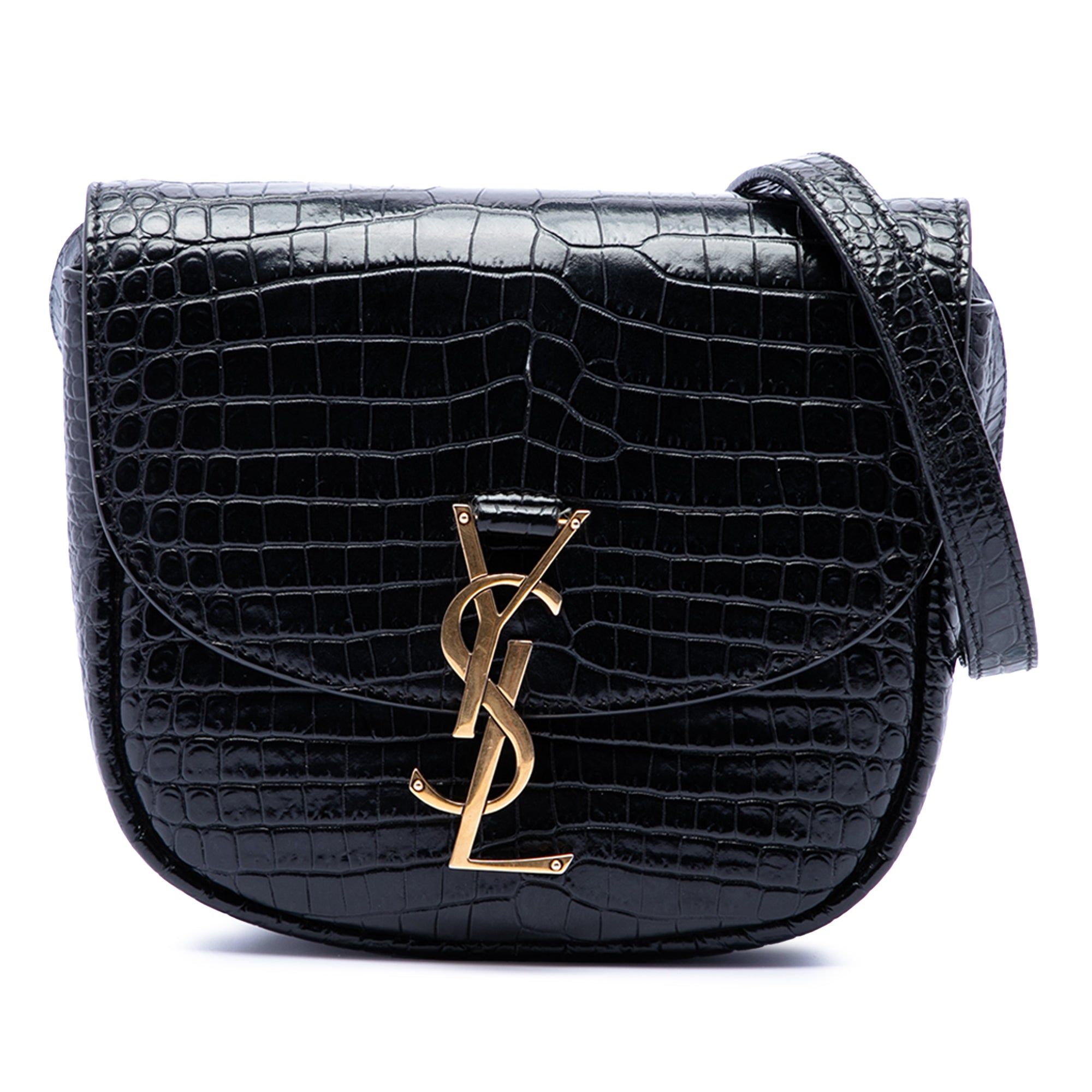
Saint Laurent Small Croc Embossed Monogram Kaia Crossbody
£1,518
The Kaia features an embossed leather body, an adjustable flat leather strap, a front flap with metal YSL logo and magnetic snap button closure, and an interior slip pocket. Condition note: Embellishment Scratched. In...
Best when the recipient already wears this kind of bag shape and the luxury value is tied to repeat use, not just logo impact.
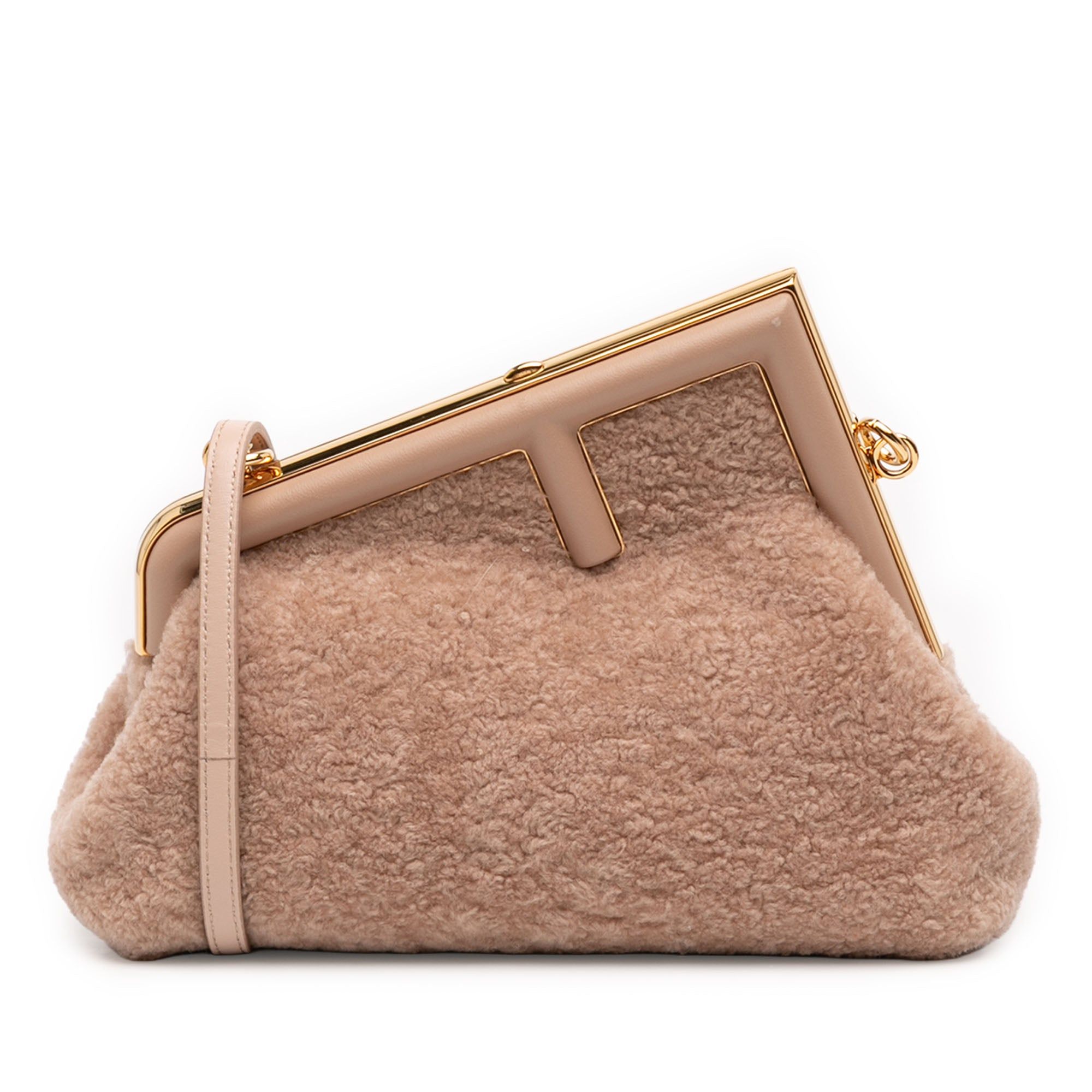
Fendi Small Shearling Fendi First Crossbody
£1,564
This crossbody bag features a shearling body, an adjustable and detachable flat leather shoulder strap, and a top clasp closure. Condition note: Practical Attachment Scratched. Exterior Top Scratched, Worn.
Best when the recipient already wears this kind of bag shape and the luxury value is tied to repeat use, not just logo impact.
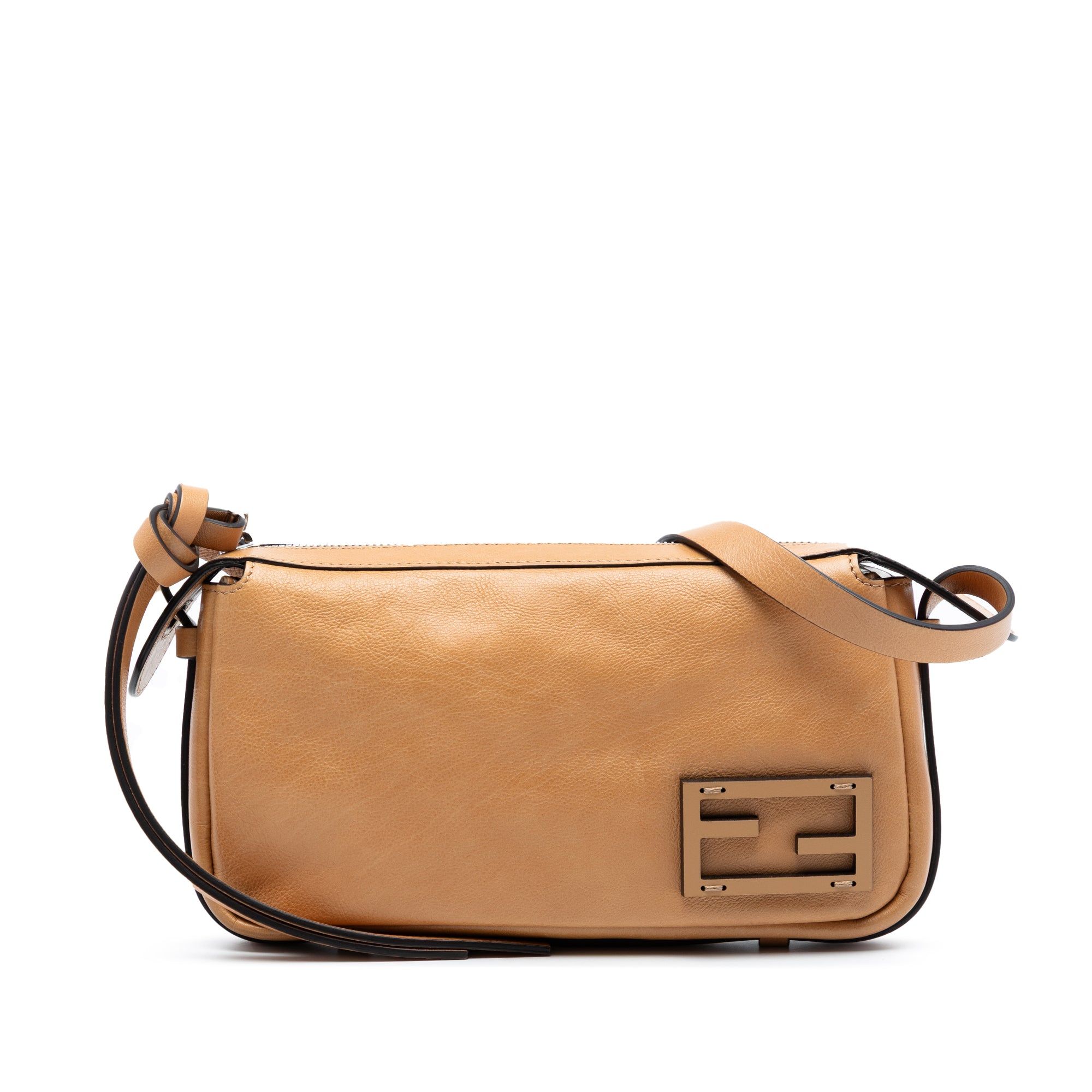
Fendi Mini Calfskin Simply Handbag
£1,518
This shoulder bag features a leather body, a flat leather shoulder strap, and a top zip closure. Condition note: Practical Attachment Scratched. Zipper Scratched.
Best when the recipient already wears this kind of bag shape and the luxury value is tied to repeat use, not just logo impact.
What selected specialist sources say
Why buyers choose it
2 independent publisher groups reviewed
Last reviewed 24 June 2026
The case for it
Saint Laurent is widely seen as one of the strongest “forever” designer-bag entries, with editors and collectors pointing to two defining styles: the structured Sac de Jour, which holds its shape, and the softer, more casual LouLou, which is more versatile day-to-evening but can slouch over time.
What selected sources highlight
- Wardrobe versatility
- Construction quality
- Resale confidence
- Status recognition
Selected sources
Best for you if
You want a recognisable, dress-up-or-down designer bag as a first or forever piece — Sac de Jour for structure, LouLou for softness and versatility.
Think twice if
Your main goal is value retention, where the “big three” houses hold up better.
See the evidence behind these buying signals
Saint Laurent is widely seen as one of the strongest “forever” designer-bag entries, with editors and collectors pointing to two defining styles: the structured Sac de Jour, which holds its shape, and the softer, more casual LouLou, which is more versatile day-to-evening but can slouch over time. The cassandre logo reads as a finishing touch rather than loud branding. On value, the consensus is candid — Saint Laurent does not hold value like Hermès, Chanel, or Louis Vuitton, though the LouLou is generally the best value-retainer in the line.
Specialist publications & reviews
- PurseBlog: The recurring comparison: the structured Sac de Jour holds its shape over time, while the softer LouLou is more casual and versatile but can slouch — a structure-versus-softness choice.
Fashion & luxury press
- Who What Wear: Editorial points first-time and forever buyers to the LouLou and Sac de Jour as the defining Saint Laurent styles, with the YSL cassandre logo acting as the finishing flourish.
Collector & enthusiast communities
- PurseForum: Community consensus is that Saint Laurent does not hold value like the “big three” (Hermès, Chanel, Louis Vuitton), though the LouLou is generally seen as the best value-retainer within the line.
Researched and edited by Marcus Bransbury, Founder & Editor at SimLuxury. How we choose and use sources
This summary synthesises linked specialist, standards, and collector sources; it is not personal financial or authentication advice. SimLuxury is not affiliated with or endorsed by the publications cited.
Keep Browsing The Live Luxury Edit
Move from editorial into the current SimLuxury selection, compare brands and categories, and then step out to the right retailer listing with clearer context.
More helpful resources: