
Designer Shoulder Bags in the UK | What To Compare First
A practical SimLuxury guide to buying designer shoulder bags in the UK, including when to choose a shoulder bag over a tote or crossbody and how to compare shape, strap drop, and brand character.
Browse live designer bags
Move into current totes, shoulder bags, and crossbody bags once the shape is clear.
Build a shortlist
Pre-fill a bag shortlist by use and budget against live UK stock.
Designer shoulder bags work best when the buyer knows what daily use needs to feel like. That matters more than many first-time luxury shoppers expect. A bag can look polished in product photography and still feel awkward once the strap drop, opening width, and overall softness meet real life.
The easiest mistake is to treat all designer bags as one decision. A shoulder bag, tote, crossbody, and structured top-handle bag do not solve the same job. If you already know you want a shoulder bag, start with the SimLuxury shoulder-bag page rather than the broader designer bags page.
1. Decide whether you want easy daily wear or sharper structure
Shoulder bags often divide into two camps. The first is softer and easier: hobo-like shapes, more relaxed leather, and an under-arm carry that reads casual-luxury rather than formal. The second is cleaner and more structured, with stronger edges and a more obviously dressed feel.
Neither is automatically better. The real question is whether you want the bag to disappear into daily use or to feel more visibly “chosen” every time you carry it.
2. Strap drop matters more than logo visibility
One of the easiest ways to make an expensive shoulder bag feel wrong is to ignore the strap. A bag that tucks neatly under the arm can feel elegant and easy. A bag that sits too low or rides too high can become irritating quickly, even if the brand and leather are strong.
This is especially important if you wear coats often or need the bag to work across different outfits rather than only one styling mood.
3. Use the bag opening and interior as a reality check
Luxury bag shoppers often get distracted by the front view. In real use, the opening matters more. How easily does the bag open? Can you reach your essentials without fighting the shape? Does the structure help or hinder everyday access?
Those questions become even more important on shoulder bags because many buyers want them for repeated weekly use rather than occasional wear.
4. Shoulder bags are often strongest when the brand already suits your wardrobe
Some brands work because they feel clean and sharp. Others win through recognisable house styling or more obvious hardware identity. A shoulder bag is not just a shape purchase. It is part of how you want the rest of your wardrobe to read.
If you already know the house matters, jump into the Chanel collection or compare it against the broader brand page once you want a wider sense of tone.
5. When to choose shoulder over tote or crossbody
- Choose shoulder when you want a polished everyday bag that still feels easy.
- Choose tote when capacity matters more than neatness under the arm.
- Choose crossbody when hands-free wear matters more than a close, under-arm silhouette.
That is why the shoulder-bag page is helpful. It cuts away the shapes that solve different problems and lets you compare only the shoulder-led options first.
6. A curated shoulder edit is more useful than a huge unfiltered archive
SimLuxury now has a broader pre-owned designer-bag pool, but the useful part is still the edit rather than raw volume. For shoulder bags, filtering by live availability, recognisable houses, condition notes, and actual carry shape is more useful than scrolling through every near-duplicate listing a retailer feed can produce.
If you want more breadth, open the wider designer bags page. If you want a cleaner shoulder-bag comparison, stay with the narrower page and compare the focused live options properly.
Final advice
The best designer shoulder bag usually wins on comfort, proportion, and how naturally it fits the way you already dress. The bag should feel easy to carry and still luxurious, not like a compromise you made for the sake of brand name alone.
Start with the designer shoulder bags page, then widen to all designer bags or the Chanel collection if you want more brand-specific context before you leave for a retailer.
Quick answers
What is the main difference between a shoulder bag and a crossbody bag?+
Are designer shoulder bags good gift purchases?+
Live picks
Live pieces that match this decision
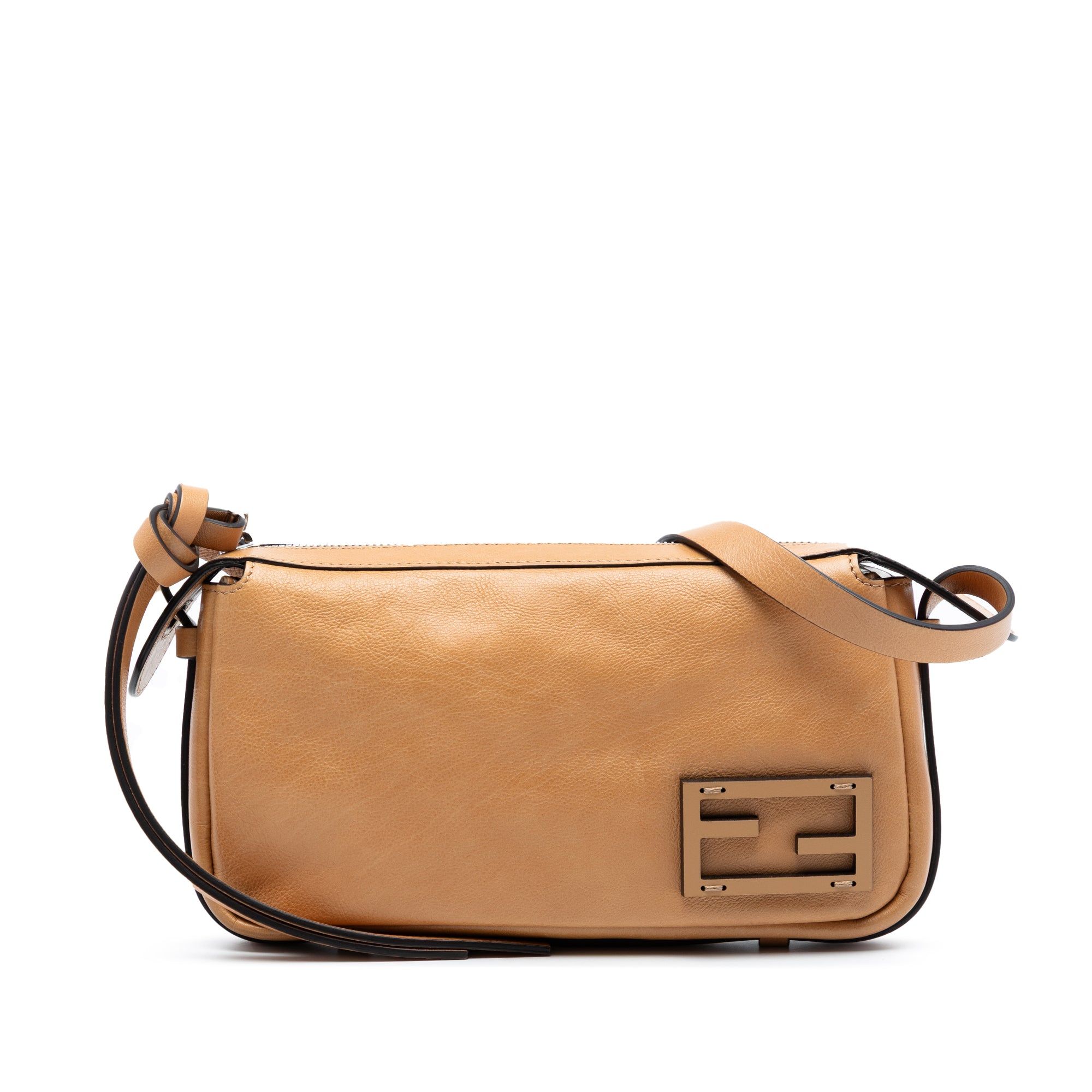
Fendi Mini Calfskin Simply Handbag
£1,518
This shoulder bag features a leather body, a flat leather shoulder strap, and a top zip closure. Condition note: Practical Attachment Scratched. Zipper Scratched.
Best when the recipient already wears this kind of bag shape and the luxury value is tied to repeat use, not just logo impact.
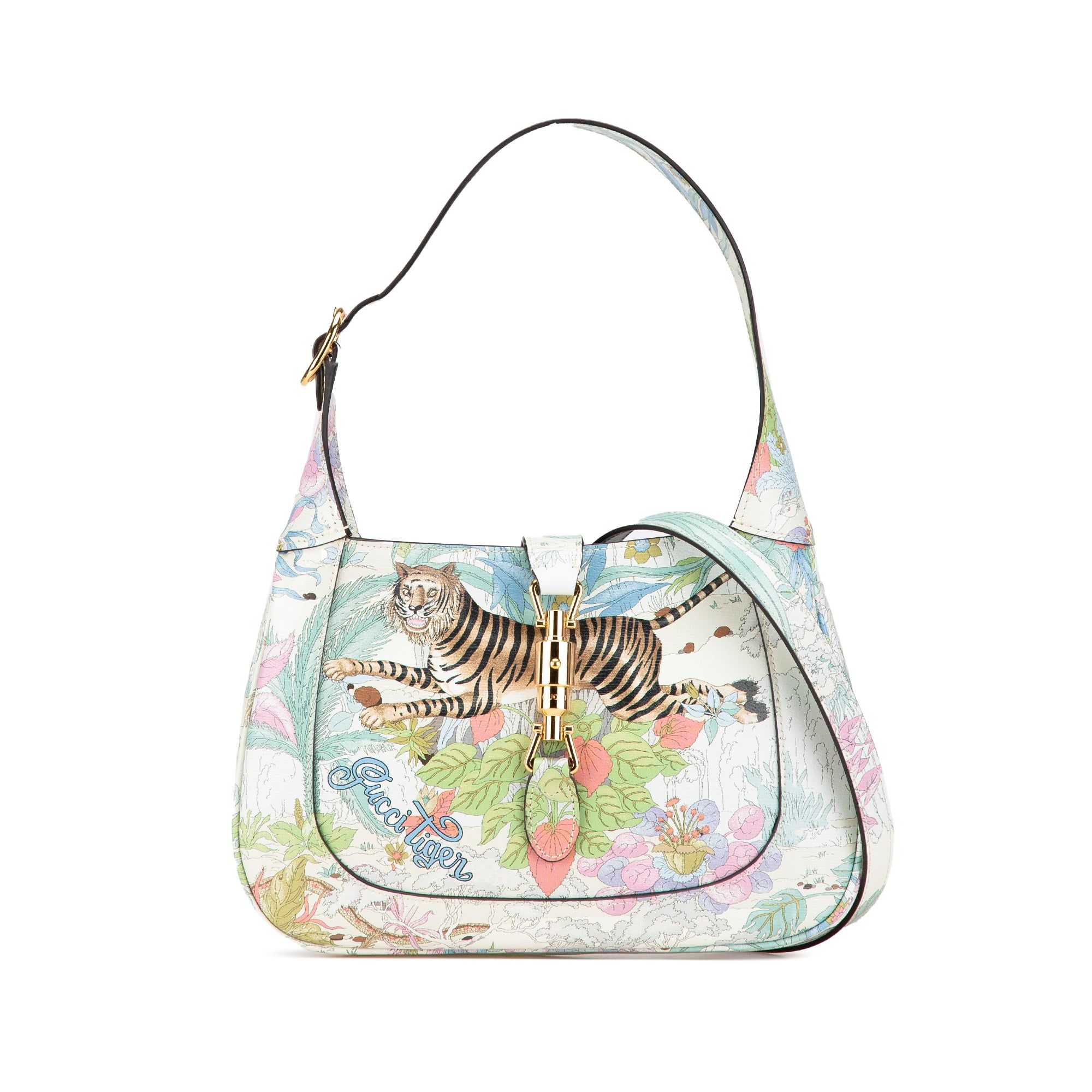
Gucci Yuko Higuchi Small Calfskin Floral Print Jackie 1961
£1,527
The Jackie 1961 features a printed leather body, a flat leather shoulder strap, a detachable leather extender strap, a front strap with a piston-lock closure, and an interior zip pocket. Condition note: Lock Scratched...
Best when the recipient already wears this kind of bag shape and the luxury value is tied to repeat use, not just logo impact.
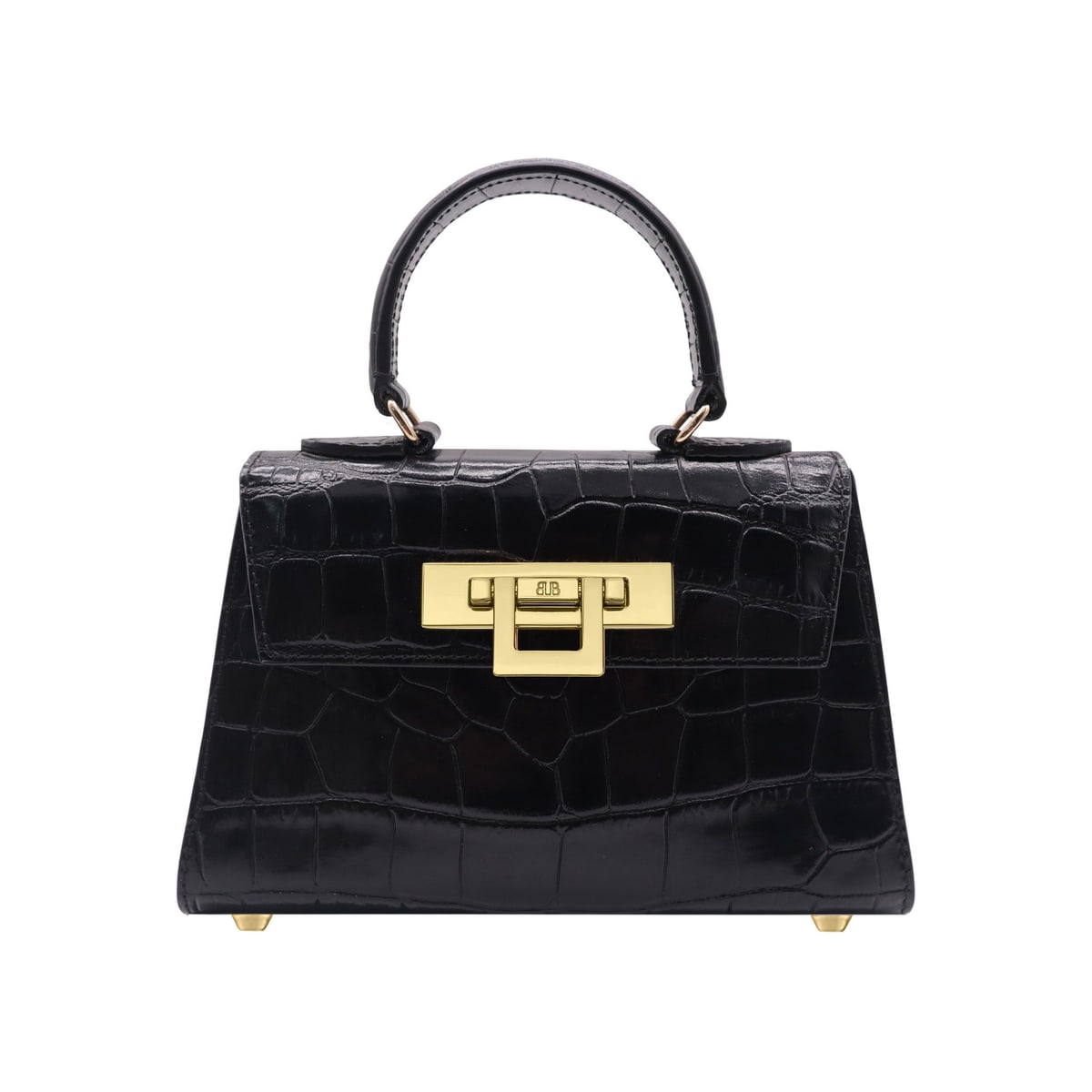
Lalage Beaumont Fonteyn Mignon Orinoco Black
£750
Lalage Beaumont Fonteyn Mignon in black printed calf. A compact lock handbag with a top handle and detachable strap — new British leather in the empty £750 band, not a pre-owned designer listing.
Best when the recipient already wears this kind of bag shape and the luxury value is tied to repeat use, not just logo impact.
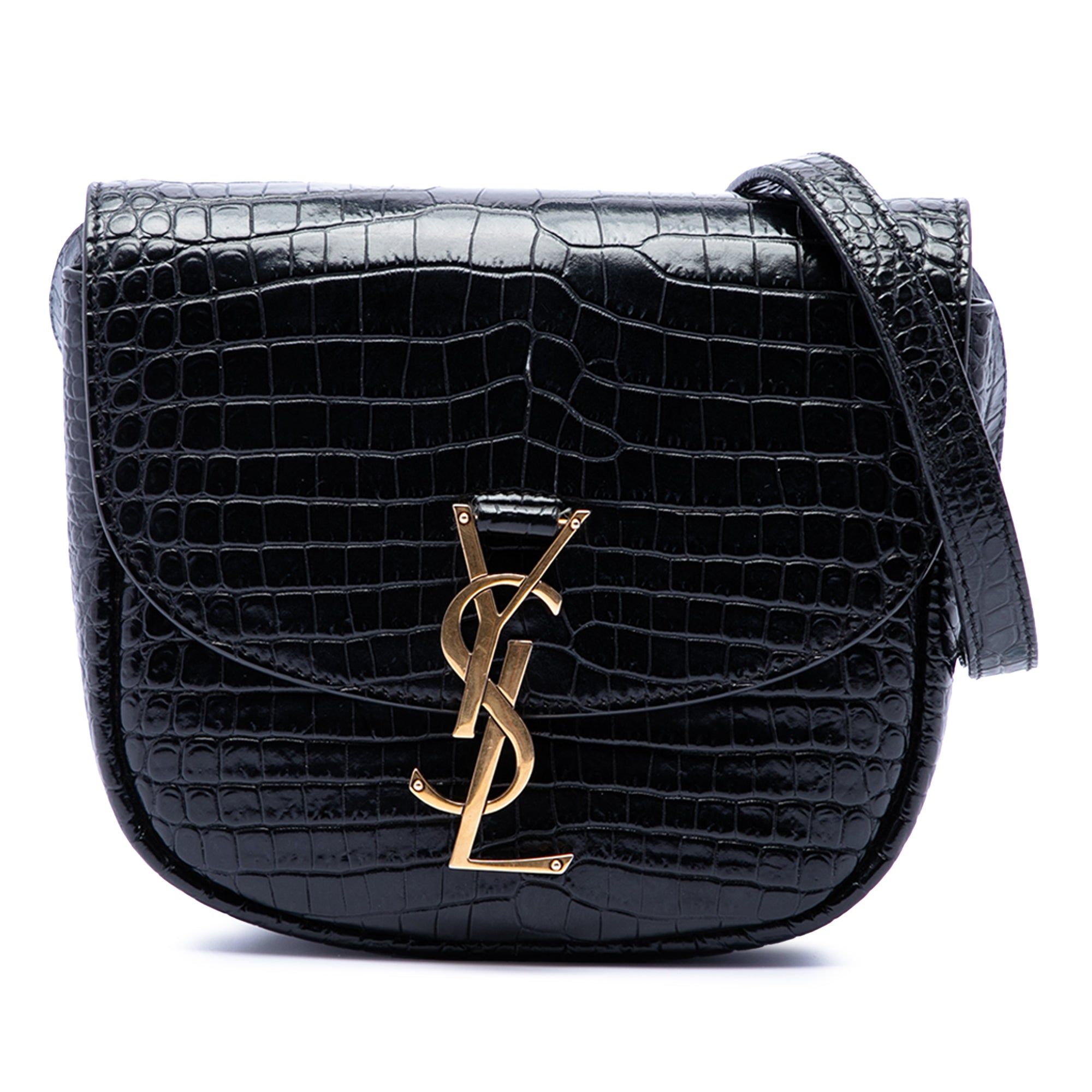
Saint Laurent Small Croc Embossed Monogram Kaia Crossbody
£1,518
The Kaia features an embossed leather body, an adjustable flat leather strap, a front flap with metal YSL logo and magnetic snap button closure, and an interior slip pocket. Condition note: Embellishment Scratched. In...
Best when the recipient already wears this kind of bag shape and the luxury value is tied to repeat use, not just logo impact.
What selected specialist sources say
What matters most
2 independent publisher groups reviewed
Last reviewed 24 June 2026
The case for it
Fashion editorial and handbag communities treat these as different jobs rather than a ranking.
What selected sources highlight
- Everyday practicality
- Wear comfort
- Capacity & organisation
- Hands-free & security
- Status recognition
Selected sources
Best for you if
Pick crossbody for hands-free daily use and security, a tote for work and carrying capacity, or a shoulder bag for a more formal, on-trend look.
Think twice if
Avoid forcing one bag to do everything — the styles solve genuinely different problems.
See the evidence behind these buying signals
Fashion editorial and handbag communities treat these as different jobs rather than a ranking. Shoulder bags lead the current trend cycle and read as more formal; crossbody bags win on hands-free practicality, security, and balanced weight; totes are the workhorses for capacity and organisation but can strain one shoulder when heavy. The recurring real-world conclusion is that most people are best served owning more than one style for different occasions.
Specialist publications & reviews
- PurseBlog: Handbag editorial notes shoulder bags now lead the trend cycle and read as more formal, while crossbody remains the more practical, hands-free choice.
Fashion & luxury press
- Who What Wear: Fashion editorial weighs comfort: crossbody styles are kindest to the back and let you move hands-free, while handheld and heavy one-shoulder bags add the most strain.
Collector & enthusiast communities
- PurseForum: Collector discussion lands on different jobs: totes for work and carrying capacity, crossbody for hands-free errands — many own several rather than one do-it-all bag.
- PurseForum: Community consensus favours crossbody for security and balanced weight, while noting shoulder bags can slip and heavy totes strain one shoulder.
Researched and edited by Marcus Bransbury, Founder & Editor at SimLuxury. How we choose and use sources
This summary synthesises linked specialist, standards, and collector sources; it is not personal financial or authentication advice. SimLuxury is not affiliated with or endorsed by the publications cited.
See also
Shoulder bag vs crossbody vs tote
Start here if the shape decision is not settled and you are weighing shoulder against other silhouettes.
Lambskin vs calfskin vs grained leather
The leather comparison that decides how a shoulder bag ages against everyday wear.
Designer crossbody bags UK
Useful if hands-free carrying matters more than the polished look of a shorter strap.
Best designer work bags that fit a laptop
The right page when the bag needs to carry a laptop as well as daily essentials.
Pre-owned designer bag condition guide
Open this if buying pre-owned is how you plan to reach the brand you want.
Keep Browsing The Live Luxury Edit
Move from editorial into the current SimLuxury selection, compare brands and categories, and then step out to the right retailer listing with clearer context.
More helpful resources: