
Tennis Bracelet Buying Guide UK
A practical UK guide to buying a tennis bracelet as a gift, including natural versus lab-grown diamonds, 9ct versus 18ct gold, and when a tennis bracelet is smarter than a necklace or ring.
Browse jewellery gifts
See live earrings, pendants, and bracelets once the budget band is fixed.
Build a shortlist
Pre-fill the concierge so the next step is giftable live pieces, not more theory.
Quick verdict
Choose an entry natural-diamond tennis bracelet if you want the cleanest classic starting point. Choose an 18ct natural-diamond tennis bracelet if the gift needs stronger milestone weight. Choose a lab-grown tennis bracelet if you want maximum visual impact for the budget. That is the real split.
A tennis bracelet is one of the clearest luxury jewellery gifts because the category is so easy to read. It feels finished, premium, and occasion-ready almost immediately. But it is not automatically the best answer for every recipient. It works best when she already likes bracelets and when the gift should feel substantial without drifting into ring territory.
Why tennis bracelets are such strong milestone gifts
Tennis bracelets sit in a sweet spot between symbolism and practicality. They feel more substantial than earrings, less emotionally loaded than rings, and more obviously occasion-led than many simple pendants. That is why they perform so well for anniversaries, landmark birthdays, and “serious gift” moments.
They also photograph and present well, which matters more than buyers admit. A tennis bracelet looks unmistakably like a luxury jewellery gift the moment it is seen.
When a tennis bracelet is smarter than a necklace
A tennis bracelet is often smarter than a necklace when the recipient already wears bracelets, likes wrist jewellery, or you want a gift that feels elegant without leaning too romantic. A necklace usually carries more symbolism. A tennis bracelet usually carries more milestone polish.
If you know she prefers cleaner dressing and repeated wear, a bracelet can sometimes outlast a more obviously sentimental necklace gift. The key question is simple: does she already wear things on her wrist often enough to make this feel natural?
Natural diamonds are strongest if the gift should feel traditional
A natural-diamond tennis bracelet is the clearest route when the purchase should feel classic, traditional, and unambiguously fine-jewellery-led. It usually makes the most sense for anniversaries, weddings, bigger birthdays, and buyers who want the gift to feel timeless rather than simply large.
The 18ct natural-diamond route is where that logic becomes more serious. It trades some budget efficiency for stronger gold grade, stronger milestone feel, and a more traditional ownership story.
Lab-grown is strongest if visual scale matters most
Lab-grown tennis bracelets make sense when you want more visible diamond presence without letting the price run away. They can be the smarter buying decision when the recipient values look and wearability more than the origin story of the stones.
The important thing is not to hide from the trade-off. Lab-grown is the value-and-visual-impact route. Natural is the tradition-and-confidence route. Both can be correct. They are just not correct for the same reasons.
9ct versus 18ct matters more than most gift buyers expect
18ct generally feels richer and more overtly fine-jewellery-led. 9ct is often the more practical daily-wear option and lets the budget work harder elsewhere. This is why the gold decision is not just about purity. It is about how the gift will be used.
If the bracelet will be worn often and the buyer wants maximum value discipline, 9ct can be completely sensible. If the bracelet should feel more elevated and more milestone-heavy, 18ct is often the cleaner answer.
Yellow gold versus white gold changes the mood of the gift
White gold tennis bracelets tend to feel cleaner, icier, and more classically diamond-led. Yellow-gold bracelet routes feel warmer, richer, and often slightly more styling-dependent. The right answer depends on what she already wears.
Do not buy yellow gold because it sounds richer if her jewellery box is full of white metals. Matching her existing taste beats abstract luxury logic every time.
What men get wrong buying bracelets
The biggest mistake is buying a tennis bracelet for someone who simply does not wear bracelets. The second biggest is pretending lab-grown and natural are the same proposition emotionally. The third is buying the biggest bracelet you can find rather than the bracelet that actually fits how she dresses.
Tennis bracelets are safer than rings, but they are not thought-free. The gift still has to fit the wearer.
Best current live picks
The cleanest live anchors are the entry natural-diamond tennis bracelet route, the 18ct natural-diamond tennis bracelet route, and the lab-grown tennis bracelet route.
Those three live picks are enough to frame most real buying decisions. If none feels exact, widen into the tennis bracelets page, the broader bracelets category, and the gift-led Luxury Jewellery Gifts guide.
Better alternatives
If the recipient does not really wear bracelets, go next to Diamond Stud Earrings Buying Guide UK for the safer answer or Diamond Necklace Buying Guide UK for the more symbolic answer.
Choose a tennis bracelet when the gift should feel milestone-led, polished, and repeat-wearable on the wrist. Choose something else when wrist jewellery itself is the uncertain part. That is the call.
Quick answers
Is a tennis bracelet a good jewellery gift?+
Should you buy natural or lab-grown for a tennis bracelet gift?+
Is a tennis bracelet easier to gift than a necklace?+
Live picks
Live pieces that match this decision
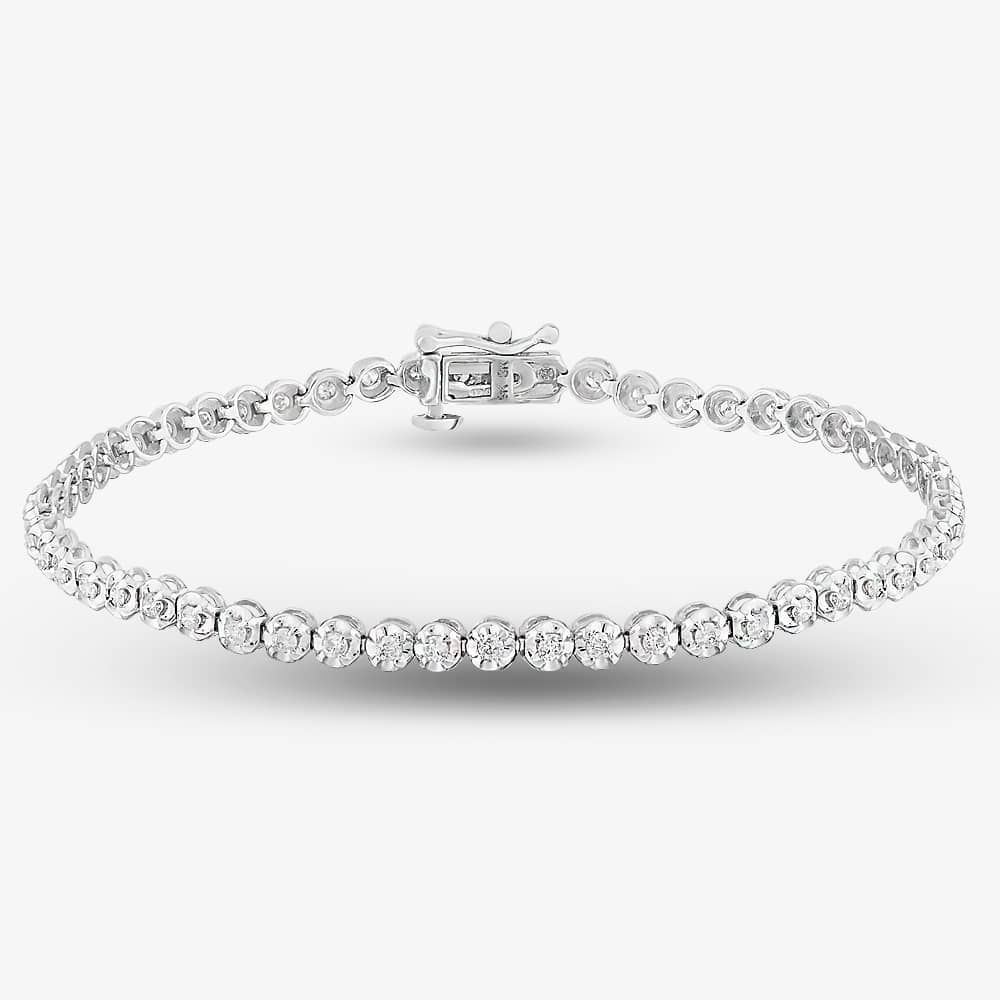
9ct White Gold 1.00ct Diamond Tennis Bracelet THB15917-100 9ct
£1,195.00
9ct White Gold bracelet set with diamond in a tennis profile. A tennis line gives it polished evening appeal while still feeling easy to dress up or down.
Best when the jewellery should feel meaningful, wearable, and clearly more elevated than a generic luxury gift.
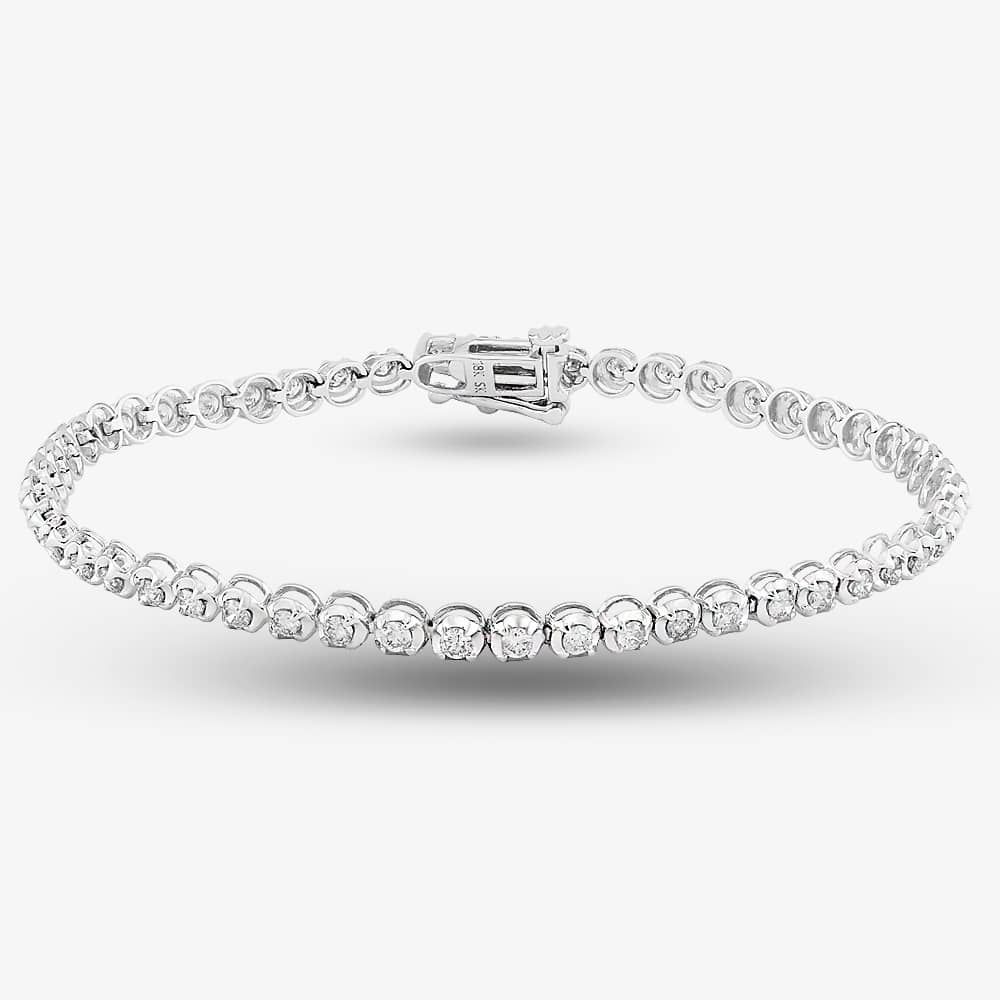
18ct White Gold 1.50ct Diamond Tennis Bracelet
£2,295.00
18ct White Gold bracelet set with diamond in a tennis profile. A tennis line gives it polished evening appeal while still feeling easy to dress up or down.
Best when the jewellery should feel meaningful, wearable, and clearly more elevated than a generic luxury gift.
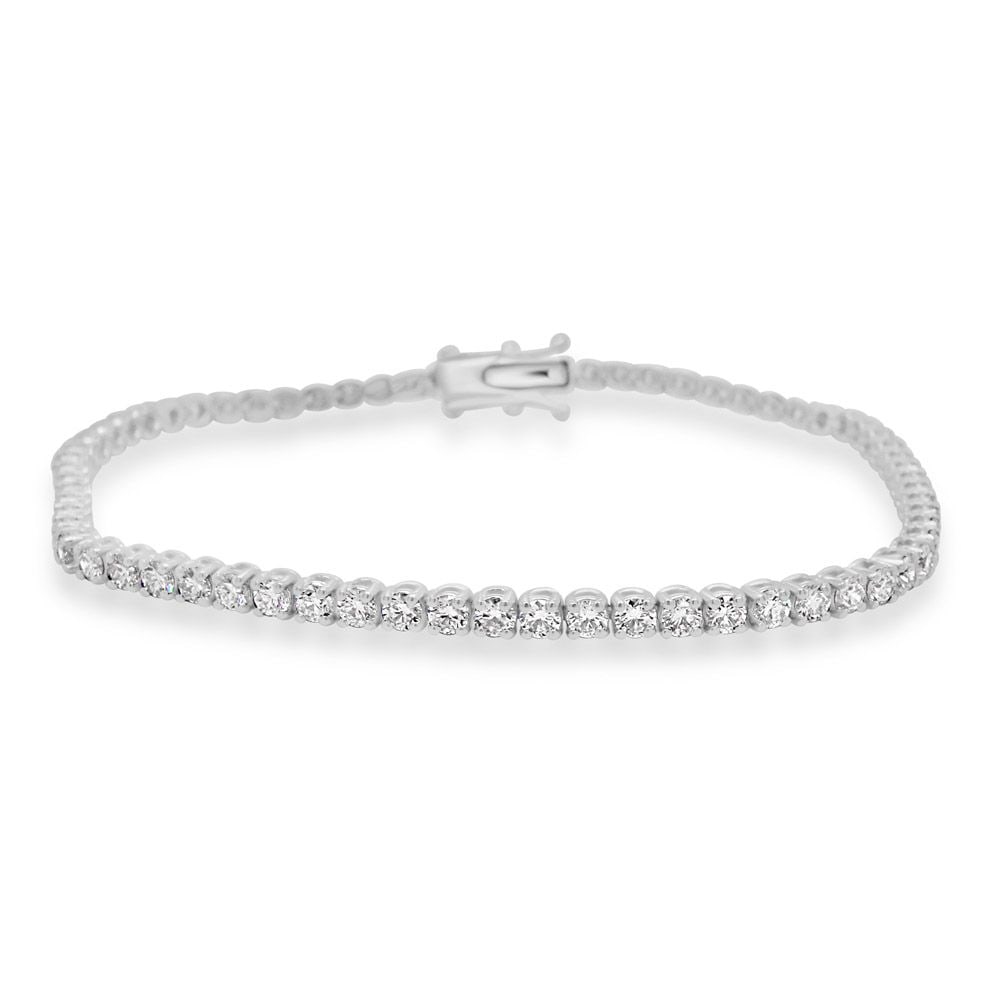
Lab Grown Diamond 4 Claw Line Bracelet WLGD1186
£1,850
Lab Grown Diamond 4 Claw Line Bracelet is a White Gold bracelet from the Pleasance & Harper selection. Supplied new by Pleasance & Harper, an authorised UK stockist trading since 1879. Check the retailer listing for l...
Best when the jewellery should feel meaningful, wearable, and clearly more elevated than a generic luxury gift.
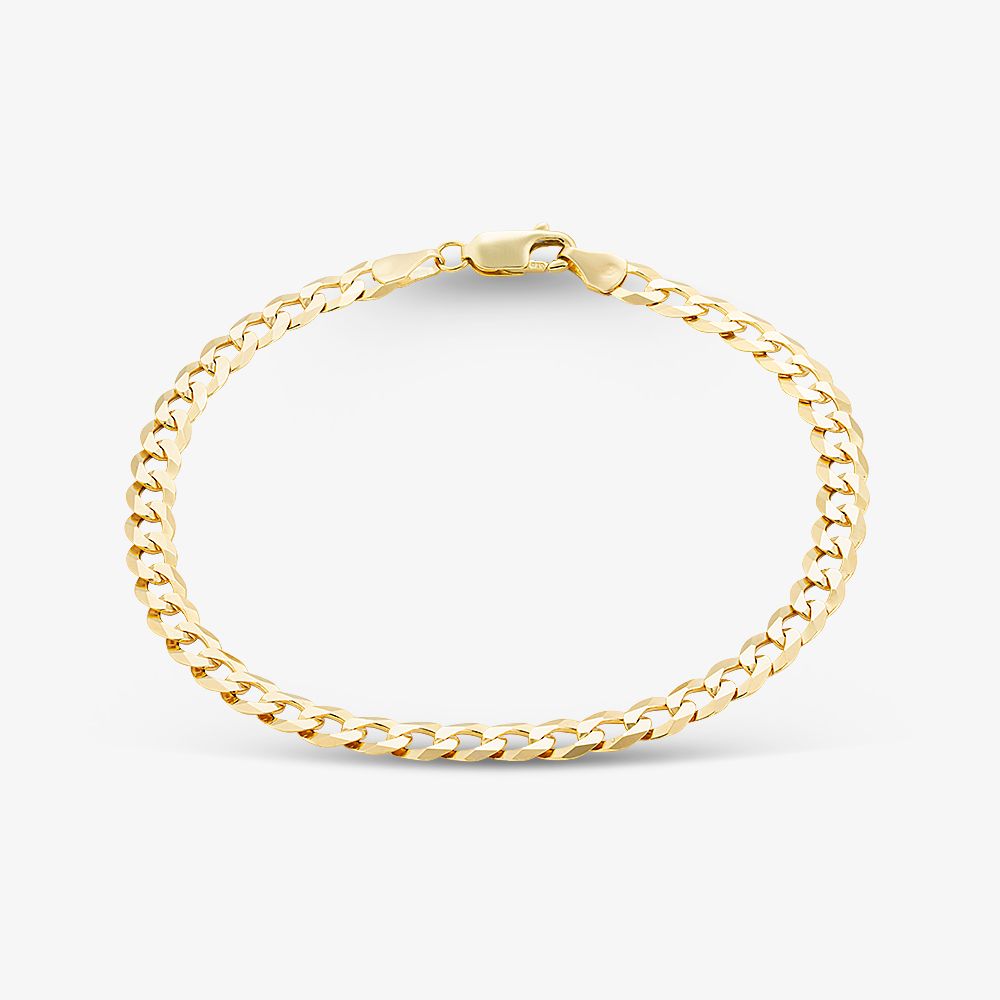
Gold Classic 9ct Yellow Gold 8.5 Inch Flat Curb Chain Bracelet
£1,046.50
9ct Yellow Gold bracelet with a clean luxury finish in a chain profile. The chain-led profile makes it easier to layer with other pieces.
Best when the jewellery should feel meaningful, wearable, and clearly more elevated than a generic luxury gift.
What selected specialist sources say
What matters most
2 independent publisher groups reviewed
Last reviewed 24 June 2026
The case for it
Jewellery authorities treat the tennis bracelet as a classic judged on two things: the stones and the security.
What selected sources highlight
- Wardrobe versatility
- Independent certification
- Setting & security
- Stone quality
Selected sources
Best for you if
You want a versatile, everyday-to-evening diamond piece and will prioritise stone matching, a secure clasp/safety catch, and a grading report.
Think twice if
You want a bold statement piece, or you are comparing on headline carat alone without checking cut, matching, and certification.
See the evidence behind these buying signals
Jewellery authorities treat the tennis bracelet as a classic judged on two things: the stones and the security. Consistent, well-matched diamonds and a good cut drive the look; prong settings maximise sparkle while bezel or channel settings protect stones for active wear. Because a tennis bracelet takes daily knocks, a reliable clasp plus a safety catch — and periodic checks — matter as much as the diamonds. As with any diamond purchase, insist on an independent grading report.
Standards & authorities
- GIA (Gemological Institute of America): GIA advises judging a tennis bracelet on stone consistency and security: prong settings maximise sparkle, bezel/channel protect the stones, and a reliable clasp plus safety catch matter for daily wear. Insist on a grading report.
- GIA (Gemological Institute of America): The style is treated as a flexible line of matched diamonds — versatile enough for everyday wear, which is part of why it has stayed a classic.
Fashion & luxury press
- The Jewellery Editor: Jewellery editorial frames the tennis bracelet as a modern classic that works stacked or alone, with stone quality and consistent matching the things that separate good from great.
Researched and edited by Marcus Bransbury, Founder & Editor at SimLuxury. How we choose and use sources
This summary synthesises linked specialist, standards, and collector sources; it is not personal financial or authentication advice. SimLuxury is not affiliated with or endorsed by the publications cited.
See also
Luxury Jewellery Buying Guide UK
Return to the bigger framework if you are still choosing between bracelets, necklaces, studs, and rings.
Lab-grown vs natural diamonds for gifts
The most useful next read when value and provenance are the real tension inside the bracelet decision.
Best anniversary jewellery gifts
Helpful because tennis bracelets are one of the strongest anniversary categories in the whole cluster.
Best jewellery gifts under £5,000
Useful if the bracelet budget is real and you want to compare category trade-offs inside the same spend band.
Diamond Necklace Buying Guide UK
The right contrast page if you are choosing between a wrist-led gift and a more symbolic neckline gift.
Keep Browsing The Live Luxury Edit
Move from editorial into the current SimLuxury selection, compare brands and categories, and then step out to the right retailer listing with clearer context.
More helpful resources: