
Diamond Necklace Buying Guide UK
A practical UK guide to buying a diamond necklace as a gift, including pendants versus tennis styles, when diamonds are too formal, and when a gemstone necklace is better.
Browse jewellery gifts
See live earrings, pendants, and bracelets once the budget band is fixed.
Build a shortlist
Pre-fill the concierge so the next step is giftable live pieces, not more theory.
Quick verdict
Choose a diamond pendant or solitaire necklace if you want the safest and most symbolic route. Choose a tennis-style diamond necklace if the gift should feel more formal and more obviously luxurious. Choose a gemstone necklace if diamonds feel too formal or too generic for her style. That is the split.
Necklaces are one of the strongest luxury jewellery gifts because they feel intimate without being difficult to size. But “diamond necklace” still covers very different answers. A pendant, a solitaire, a tennis necklet, and a gemstone cluster necklace do not solve the same gift brief.
Why necklaces are so strong as gifts
Necklaces sit close to the body, tend to feel romantic, and can be worn often without the friction that comes with rings or more dramatic wristwear. That is why they are so good for anniversaries, romantic birthdays, and gifts that should feel emotionally specific rather than simply polished.
They are also easier to read than many buyers expect. The core question is simple: do you want daily-symbolic or occasion-led? Once you know that, the shortlist tightens fast.
Pendants and solitaire necklaces are safest
Diamond pendants and solitaire necklaces are the safest part of the category because they feel refined without becoming too dressy. They work especially well when you want a piece that can be worn on an ordinary day and still carry meaning from the gift moment.
This is usually the right route when you know the gift should feel romantic but not especially formal. It is also the best answer when you are buying fine jewellery for someone who does not already have a very dramatic jewellery style.
Tennis necklaces are stronger if the gift should feel more formal
Tennis-style necklaces look more obviously luxurious and more event-ready. They are better when the necklace should feel like a major piece rather than a refined everyday gift.
The trade-off is wearability. A tennis-style necklace is less casual and less flexible than a pendant. That is not a criticism. It just means the buyer should choose it on purpose rather than assuming “more diamonds” automatically means “better gift”.
Lab-grown makes sense when size matters more than origin story
Lab-grown diamond necklaces are the stronger value route when visible scale matters and the buyer wants the necklace to look more substantial inside the same spend band. Natural diamond pendants often win on traditional ownership feel. Lab-grown often wins on visual generosity.
If the real question is value confidence rather than necklace style, compare this page with Lab-Grown vs Natural Diamonds for Gifts.
When diamonds are too formal
Diamonds can feel too formal when the recipient dresses lightly, already prefers colour, or wears jewellery more for softness and personality than for crisp high-polish effect. In those cases a diamond pendant may still work, but a tennis-style necklace can quickly become too much.
This is where gemstone necklaces become much more useful. A sapphire, aquamarine, tanzanite, emerald, or rose-gold gemstone pendant can feel more personal and more natural on the right wearer than a correct-but-generic diamond necklace.
When a gemstone necklace is better
Gemstone necklaces are better when colour already exists in her jewellery box, when you want the gift to feel more individual, or when a straight diamond gift risks feeling slightly too formal and predictable.
They are especially strong for milestone birthdays, style-led recipients, and buyers who want a piece that feels chosen rather than default. The cost is a little less neutrality. The reward is often a much more believable gift.
How metal tone changes the whole necklace
White metals usually make diamond necklaces feel cleaner and more formal. Yellow gold makes them warmer and often more classic. Rose gold usually softens the whole mood and can make a romantic or gemstone-led necklace feel much more personal.
That is why metal should never be an afterthought. Matching her existing jewellery tone is one of the easiest ways to make a necklace gift feel right.
Best current live picks
The clearest live routes are diamond pendants and solitaire necklaces, tennis-style diamond necklaces, and gemstone necklace options. Those three routes cover most real gift decisions in this category.
If you want to widen the live search, keep diamond necklaces, luxury necklaces, and the broader necklaces category open side by side.
Better alternatives
If the necklace feels a little too symbolic or too style-specific, go next to Diamond Stud Earrings Buying Guide UK for the safer route. If the gift should feel larger and more milestone-driven, go next to Tennis Bracelet Buying Guide UK.
Choose a pendant or solitaire necklace if you want the safest symbolic answer. Choose a tennis necklace if you want the more formal and more event-led answer. Choose gemstones if diamonds are not really her. That is the call.
Quick answers
Is a diamond necklace a good luxury gift?+
Should you buy a diamond pendant or a tennis necklace?+
When are diamonds too formal for a necklace gift?+
Live picks
Live pieces that match this decision
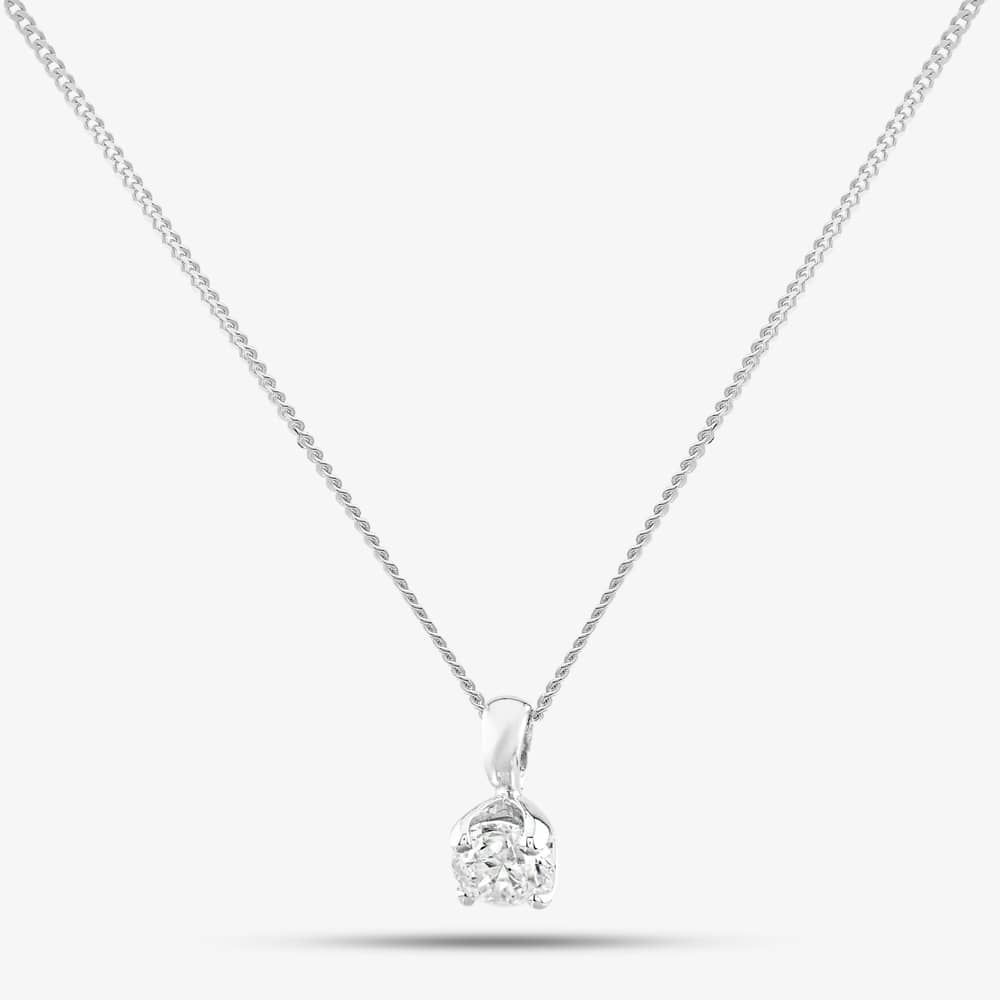
18ct White Gold 0.40ct Brilliant Cut Diamond Solitaire Necklace
£1,399.95
18ct White Gold necklace set with diamond in a solitaire profile. Solitaire styling keeps the focus on the centre stone and works well for cleaner wardrobes.
Best when the jewellery should feel meaningful, wearable, and clearly more elevated than a generic luxury gift.
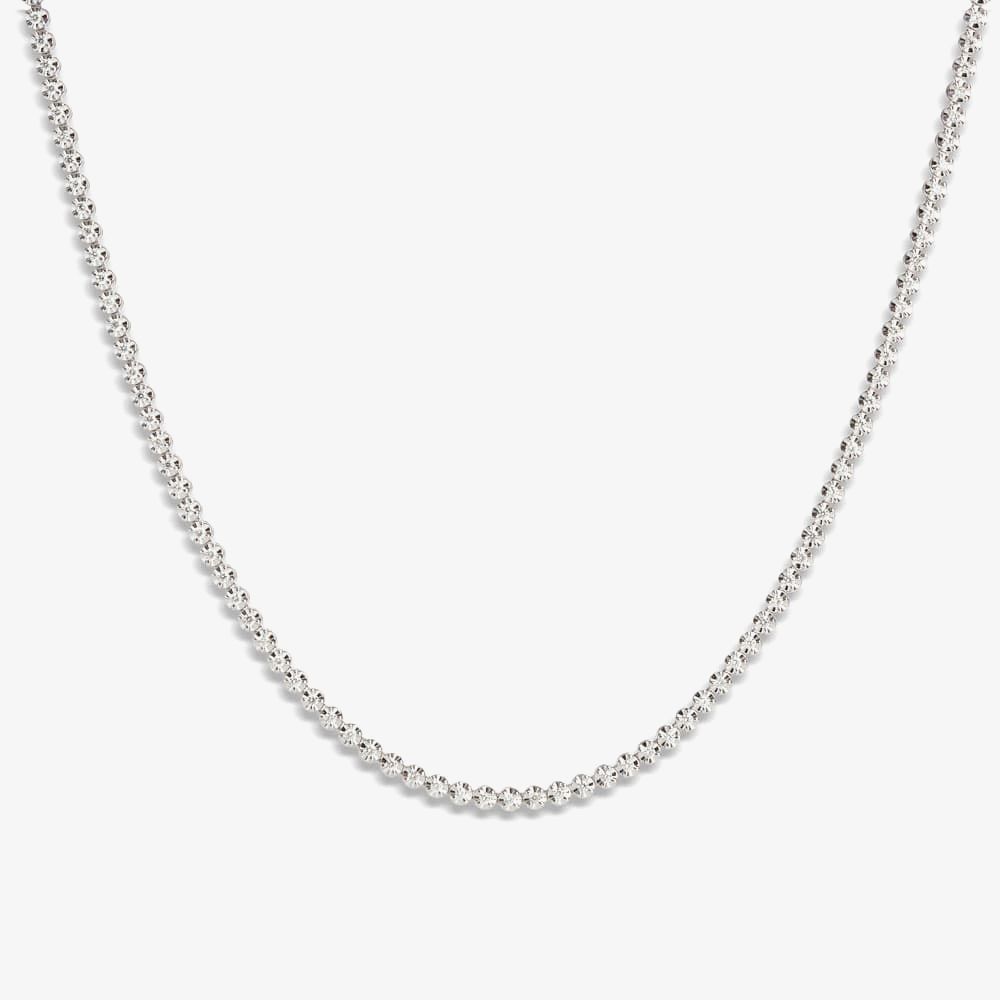
18ct White Gold Rosabella Diamond Tennis Necklace
£2,995.00
18ct White Gold necklace set with diamond in a necklace profile. It is best suited to dressier gifting or occasions where the finish matters.
Best when the jewellery should feel meaningful, wearable, and clearly more elevated than a generic luxury gift.
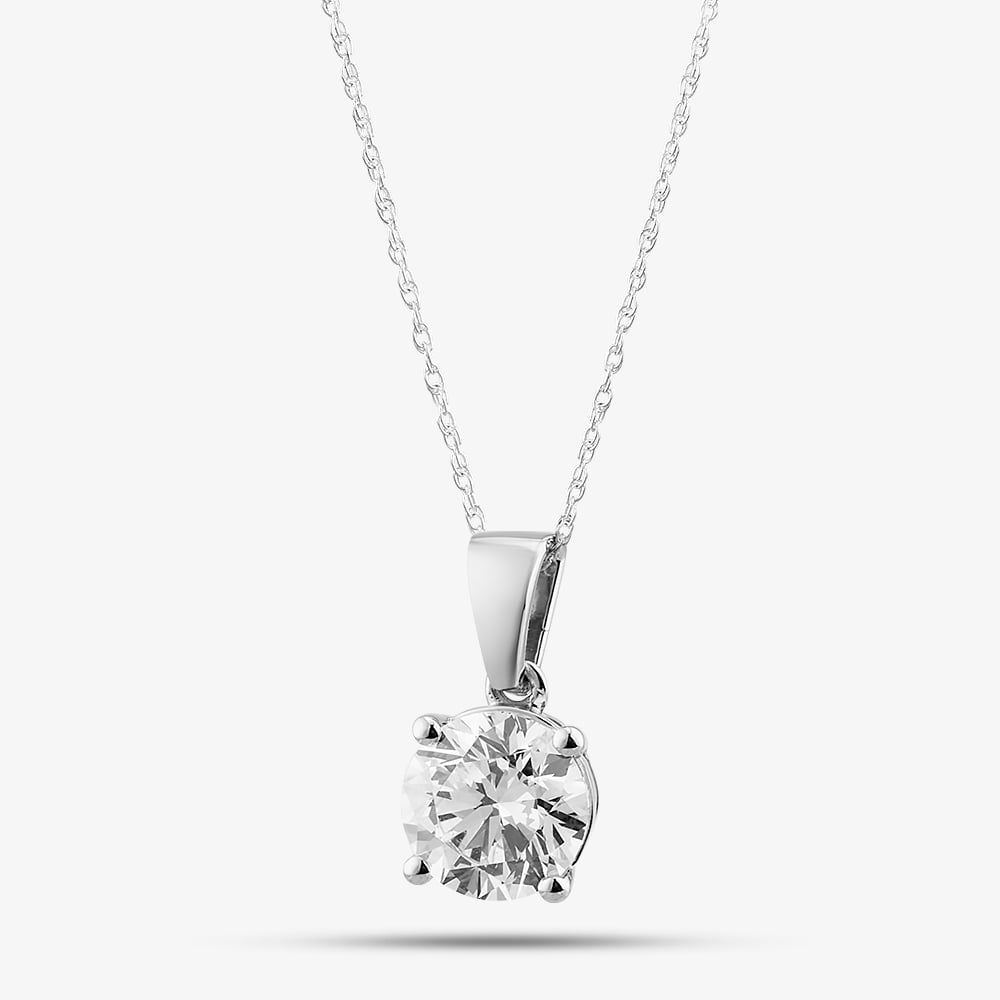
Pure Brilliance 9ct White Gold Certified Lab Grown 2.00ct Brilliant Cut Diamond Pendant Necklace
£1,395.00
9ct White Gold necklace set with diamond in a pendant profile. Pendant styling gives it a clearer occasion feel than a plain chain.
Best when the jewellery should feel meaningful, wearable, and clearly more elevated than a generic luxury gift.
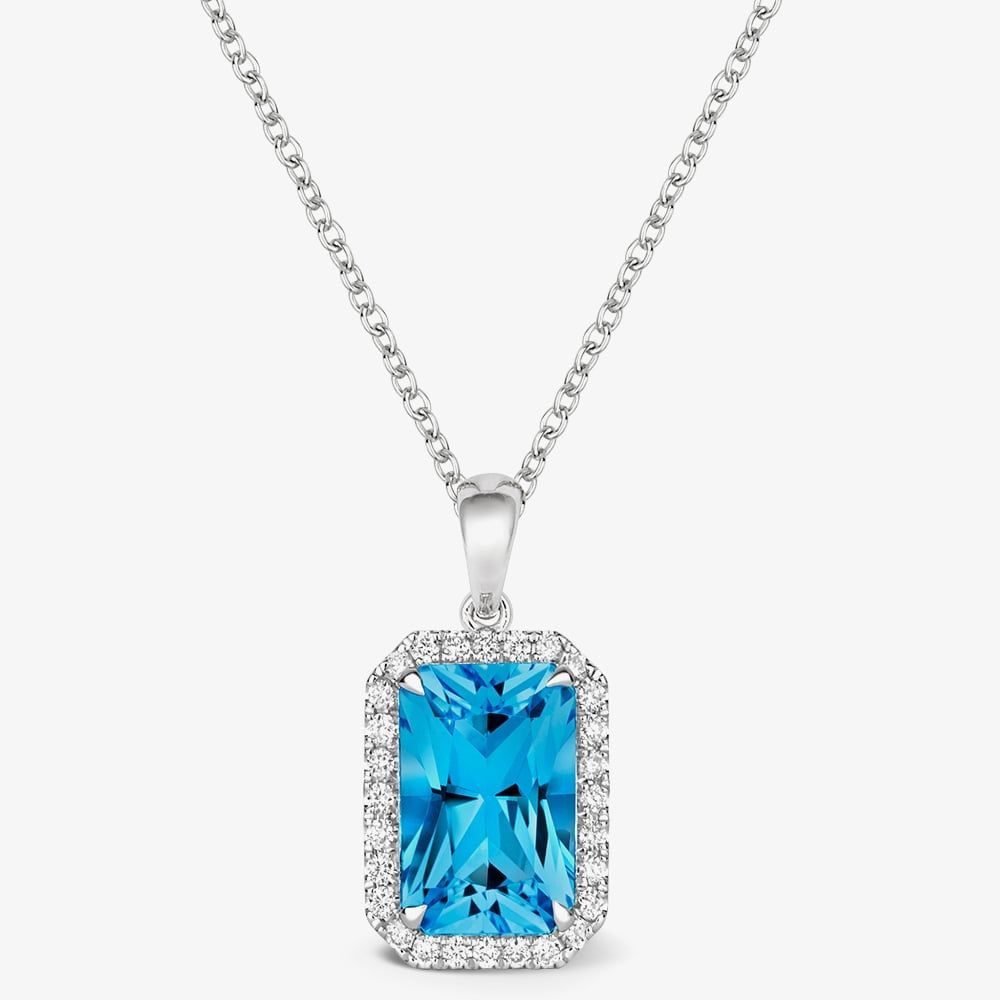
Tivon Classic 18ct White Gold Blue Topaz & Diamond Cluster Necklace
£1,165.00
18ct White Gold necklace set with topaz & diamond in a cluster profile. The cluster layout adds extra visual spread without needing a larger single stone.
Best when the jewellery should feel meaningful, wearable, and clearly more elevated than a generic luxury gift.
What selected specialist sources say
What matters most
2 independent publisher groups reviewed
Last reviewed 24 June 2026
The case for it
For a diamond pendant or necklace the decision is mostly about setting and chain rather than a single “best” stone.
What selected sources highlight
- Wardrobe versatility
- Independent certification
- Metal choice & durability
- Setting & security
- Stone quality
Selected sources
Best for you if
You know whether you want discreet or statement, and will choose the setting and chain metal around daily wear — backed by certification.
Think twice if
You are comparing pendants on carat alone, ignoring setting style, chain metal, and grading.
See the evidence behind these buying signals
For a diamond pendant or necklace the decision is mostly about setting and chain rather than a single “best” stone. A solitaire lets light in, a halo adds size impact, and side-stones add sparkle; the stone itself is judged on the 4Cs. On the chain, gold is the versatile everyday choice while platinum is heavier and tarnish-resistant for heirloom pieces — a trade-off, not a winner. House and setting style shape the character as much as the diamonds, so decide between discreet and statement first. Buy with an independent grading report.
Standards & authorities
- GIA (Gemological Institute of America): For diamond pendants GIA frames the choice around setting style — solitaire for light, halo for size impact, side-stones for sparkle — with the stone judged on the 4Cs and backed by a grading report.
- GIA (Gemological Institute of America): On the chain, GIA contrasts gold’s versatility with platinum’s weight and tarnish-resistance — a heirloom-vs-everyday trade-off rather than a single right answer.
Fashion & luxury press
- The Jewellery Editor: Jewellery editorial highlights how house and setting style drive a necklace’s character as much as the stones — useful for deciding between a discreet pendant and a statement piece.
Researched and edited by Marcus Bransbury, Founder & Editor at SimLuxury. How we choose and use sources
This summary synthesises linked specialist, standards, and collector sources; it is not personal financial or authentication advice. SimLuxury is not affiliated with or endorsed by the publications cited.
See also
Luxury Jewellery Buying Guide UK
Return to the full jewellery framework if you are still balancing necklaces against earrings, bracelets, and rings.
Best anniversary jewellery gifts
Helpful because necklaces are one of the strongest romantic anniversary formats in the cluster.
White gold vs yellow gold vs rose gold
Useful when the necklace type is clear but the metal tone still is not.
How to choose jewellery when you do not know her style
The right follow-up if you know a necklace feels more symbolic but still do not know which mood to buy.
Best jewellery gifts under £2,500
Good next step when a necklace feels right but you want the broader shortlist inside the same spend band.
Keep Browsing The Live Luxury Edit
Move from editorial into the current SimLuxury selection, compare brands and categories, and then step out to the right retailer listing with clearer context.
More helpful resources: