
Lab-Grown vs Natural Diamonds for Gifts
A practical UK gift guide to lab-grown vs natural diamonds, including when each route makes sense in studs, necklaces, bracelets, and milestone jewellery buying.
Browse jewellery gifts
See live earrings, pendants, and bracelets once the budget band is fixed.
Build a shortlist
Pre-fill the concierge so the next step is giftable live pieces, not more theory.
Lab-grown versus natural diamonds is not really an argument about whether one is “real” and one is not. For a gift buyer, it is a question about what the gift is supposed to do. Should it maximise visible diamond presence for the money, or should it carry the emotional weight of a more traditional luxury story? Both answers can be right. The mistake is pretending they are the same answer.
If you need the broader jewellery framework first, return to the Luxury Jewellery Buying Guide UK. If the category is already set and the live product split is really about diamond origin, stay here.
Quick verdict
Choose lab-grown diamonds when visible size, spread, and value matter most. Choose natural diamonds when the purchase should feel more traditional, emotionally significant, or milestone-coded. Neither answer is automatically smarter until you know which job the gift is meant to do.
When natural diamonds are the better gift
Natural diamonds are strongest when the gift is supposed to feel classically luxurious rather than purely visually efficient. That matters for anniversaries, major birthdays, or any purchase where the emotional story is part of the point. A natural-diamond necklace route or a natural-diamond tennis bracelet often feels more in line with that brief.
This does not mean the recipient will notice the origin at first glance. It means the buyer often feels more comfortable giving a traditional diamond story when the occasion itself is emotionally weighted.
When lab-grown is the smarter answer
Lab-grown is smartest when the practical win is easy to see. Lab-grown diamond studs are a great example. The size gain can be meaningful, the category is easy to wear, and the recipient may care far more about how the earrings look than about where the stones originated.
The same logic can apply to lab-grown diamond necklaces and lab-grown diamond bracelets when the live product spread is clearly offering more visual impact for the spend. In those cases, lab-grown is not a compromise to hide. It is a clear strategic choice.
Studs are the easiest category for lab-grown to win
Stud earrings are where lab-grown often makes the most immediate sense because the wearer gets visible stone presence without a lot of extra complexity. The gift is still low-risk, the category is still classic, and the practical value proposition is easy for both buyer and recipient to understand.
Natural studs still make sense when the story matters more than the spread. But studs are the category where lab-grown most often feels like a clean upgrade rather than a philosophical debate.
Necklaces and bracelets are more about emotional reading
With necklaces and bracelets, the choice is often less technical and more emotional. A necklace is symbolic, and a bracelet is often milestone-led. That means the natural-versus-lab decision is more likely to be influenced by how you want the gift to feel. A natural-diamond pendant may feel more romantic in story terms. A lab-grown pendant route may feel better in visible value terms.
Neither is inherently more luxurious in every context. The right answer depends on which side of the trade-off the buyer actually values.
Where lab-grown can feel wrong
Lab-grown can feel wrong when the whole point of the gift is tradition, rarity, or a very classic milestone narrative and the buyer themselves will never quite believe in the purchase if the stones are lab-grown. In that case, even a visually stronger piece can feel slightly off.
It can also feel wrong if you are choosing lab-grown only because the larger stone size flatters your own idea of value, while the recipient would actually have preferred the cleaner emotional story of a smaller natural piece.
What not to say about either route
Do not oversell lab-grown by pretending the origin question is irrelevant to everyone. It clearly matters to some buyers. Do not oversell natural by pretending all recipients care about mined provenance equally. Many do not. And do not turn the gift into a lecture. The point is to make a smart decision quietly, not to stage a diamond ethics seminar at the moment of giving.
Final recommendation
Buy lab-grown when visible impact is the priority and the category supports that logic cleanly. Buy natural when tradition, milestone weight, and emotional comfort matter more than size-per-pound. The best answer is not ideological. It is the one that matches what the gift is actually meant to feel like.
The live product edit below is there to keep the page tied to current stock rather than generic jewellery arguments. If you need the bigger framework, go back to Luxury Jewellery Buying Guide UK.
Quick answers
Are lab-grown diamonds acceptable for a luxury gift?+
When are natural diamonds the better gift?+
Do lab-grown and natural diamonds suit the same jewellery categories?+
Live picks
Live pieces that match this decision
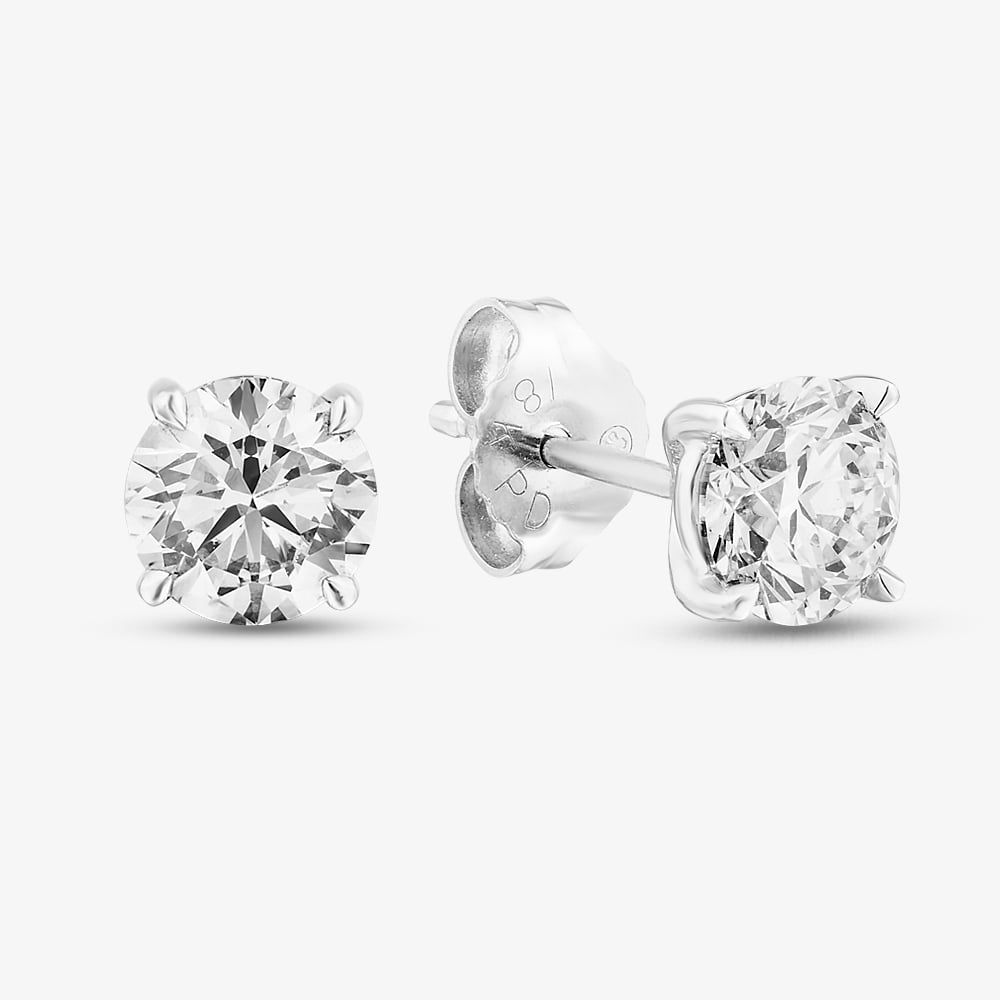
18ct White Gold 1.50ct Brilliant Cut Lab Grown Diamond Stud Earrings
£1,395.00
18ct White Gold earrings set with lab-grown diamond & diamond in a stud profile. Stud styling keeps it easy to wear day to day.
Best when the brief is gift confidence first, because earrings are often the safest luxury jewellery category.
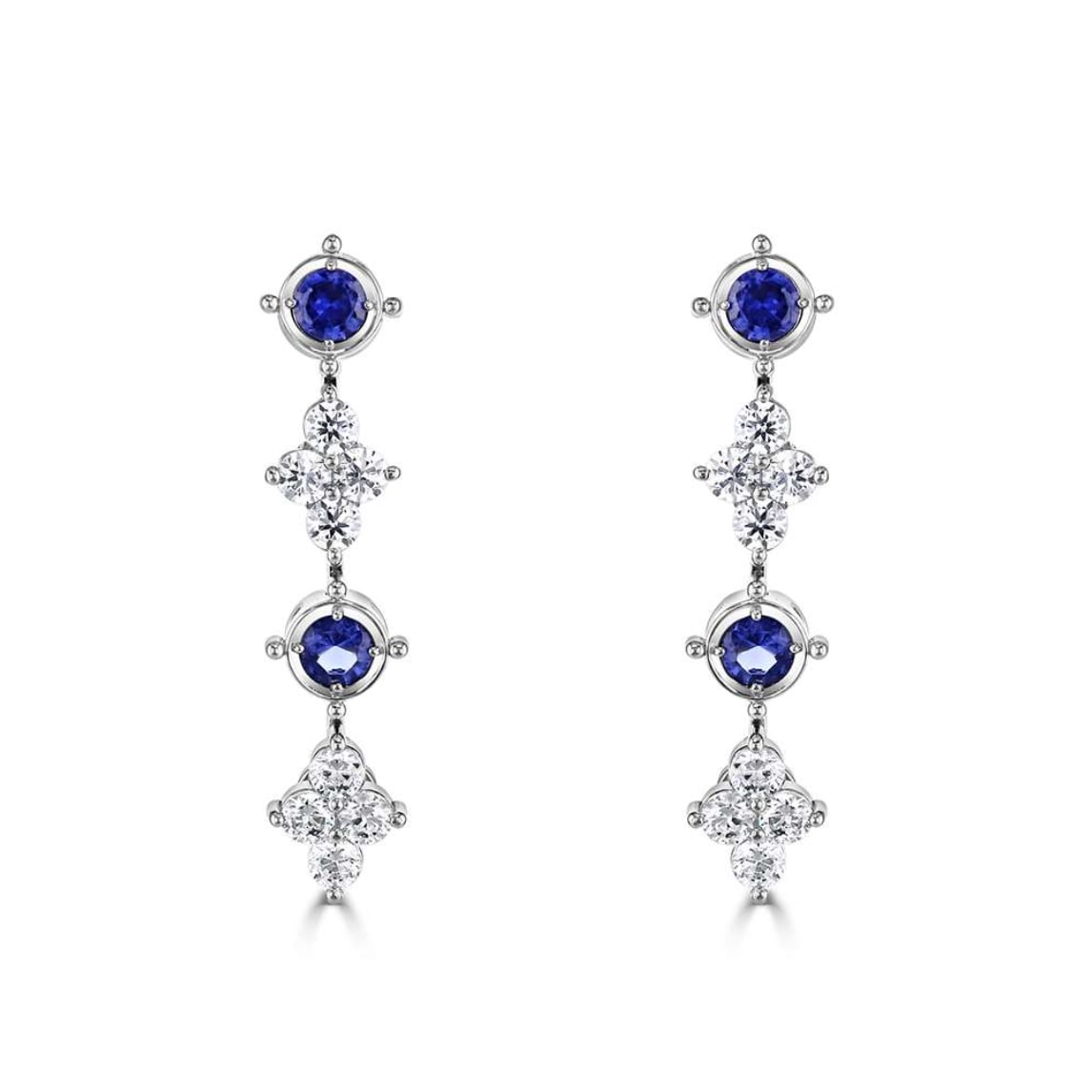
18ct White Gold Quatrefoil Earrings
£1,500
Quatrefoil Earrings- Diamond and Gemstone. Supplied new by Pleasance & Harper, an authorised UK stockist trading since 1879. Check the retailer listing for live price, stock and delivery before you buy.
Best when the brief is gift confidence first, because earrings are often the safest luxury jewellery category.
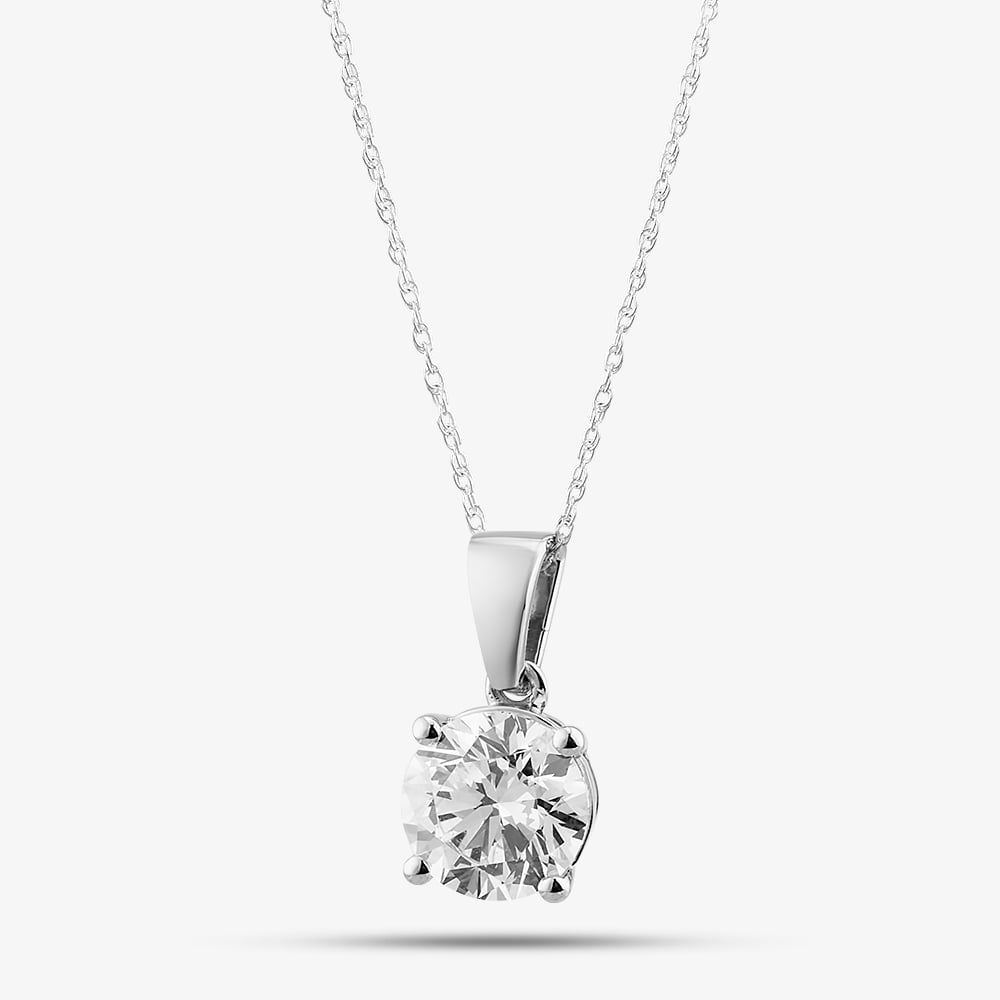
Pure Brilliance 9ct White Gold Certified Lab Grown 2.00ct Brilliant Cut Diamond Pendant Necklace
£1,395.00
9ct White Gold necklace set with diamond in a pendant profile. Pendant styling gives it a clearer occasion feel than a plain chain.
Best when the jewellery should feel meaningful, wearable, and clearly more elevated than a generic luxury gift.
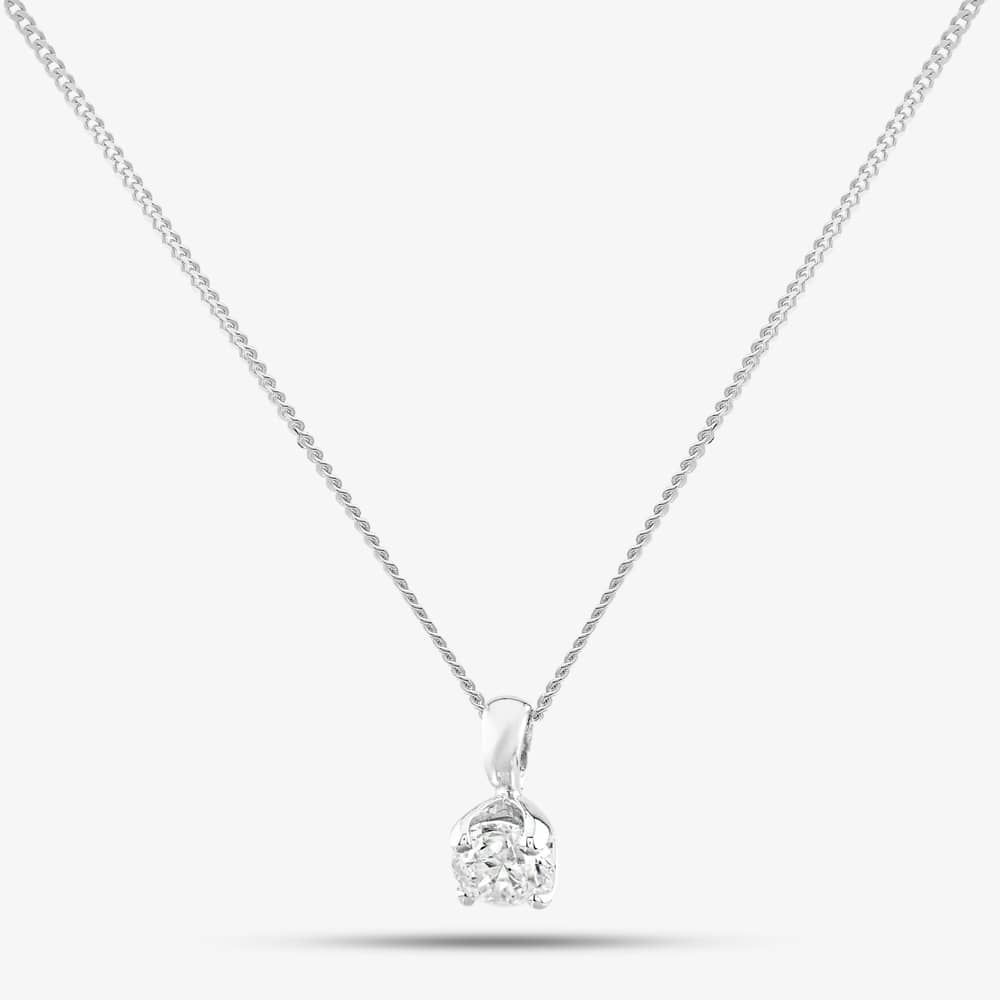
18ct White Gold 0.40ct Brilliant Cut Diamond Solitaire Necklace
£1,399.95
18ct White Gold necklace set with diamond in a solitaire profile. Solitaire styling keeps the focus on the centre stone and works well for cleaner wardrobes.
Best when the jewellery should feel meaningful, wearable, and clearly more elevated than a generic luxury gift.
What selected specialist sources say
What matters most
3 independent publisher groups reviewed
Last reviewed 24 June 2026
The case for it
Standards and jewellery authorities agree lab-grown diamonds are chemically identical to natural ones and need specialist equipment to distinguish — typically far cheaper (often ~70% less) and more consistent in colour and clarity.
What selected sources highlight
- Lab-grown vs natural
- Depreciation / value
- Stone quality
Best for you if
Lab-grown makes sense if you want maximum size/quality for the budget and are not thinking about resale.
Think twice if
Go natural if long-term value retention, rarity, or the “mined” story matters to you.
See the evidence behind these buying signals
Standards and jewellery authorities agree lab-grown diamonds are chemically identical to natural ones and need specialist equipment to distinguish — typically far cheaper (often ~70% less) and more consistent in colour and clarity. The clearest dividing line is value retention: natural diamonds hold value far better, while lab-grown prices and resale have fallen sharply, so lab-grown is best treated as spend rather than a store of value. Now over a third of centre stones sold.
Standards & authorities
- GIA (Gemological Institute of America): GIA notes lab-grown diamonds are chemically identical to natural ones and need specialist equipment to tell apart — typically cheaper and more consistent in colour and clarity.
Fashion & luxury press
- The Jewellery Editor: Jewellery editorial frames it as a values trade-off: natural diamonds hold value far better, while lab-grown prices (and resale) have fallen sharply.
- Robb Report: Luxury press reports lab-grown can cost ~70% less and is now over a third of centre stones sold, but with weak resale — better seen as spend, not store of value.
Researched and edited by Marcus Bransbury, Founder & Editor at SimLuxury. How we choose and use sources
This summary synthesises linked specialist, standards, and collector sources; it is not personal financial or authentication advice. SimLuxury is not affiliated with or endorsed by the publications cited.
See also
Sustainable luxury UK
The wider view if diamond origin is part of a broader question about buying luxury responsibly.
Luxury Jewellery Buying Guide UK
Return to the broader framework if diamond origin is only one part of the gift decision.
Diamond Stud Earrings Buying Guide UK
The best support page if the real live decision is splitting most clearly in the stud category.
Diamond Necklace Buying Guide UK
Useful if you are choosing between pendant-style diamond stories rather than earring-led routes.
Best Jewellery Gifts Under £2,500
Especially relevant because this is one of the key budgets where lab-grown becomes commercially persuasive.
Best Jewellery Gifts Under £5,000
Helpful when the choice is about milestone-level spend and how visible the diamond result should be.
Keep Browsing The Live Luxury Edit
Move from editorial into the current SimLuxury selection, compare brands and categories, and then step out to the right retailer listing with clearer context.
More helpful resources: