
Platinum vs 18ct Gold for Diamond Rings
A practical UK guide to choosing platinum or 18ct gold for a diamond ring, including durability, colour, setting security, maintenance, matching bands, and gift risk.
Comparison snapshot
Platinum vs 18ct gold diamond rings
Choose platinum for a naturally white, dense, low-maintenance setting around important diamonds. Choose 18ct gold when colour, design variety, easier polishing, and matching existing jewellery matter more.
Platinum
Best for naturally white diamond settings, daily engagement wear, and buyers who dislike replating.
- Naturally white
- Dense and durable
- Usually excellent for claws
- Develops a patina over time
18ct gold
Best for warmer colour choices, broader designer styles, and rings that need to match yellow or rose jewellery.
- 75% gold alloy
- Available in white, yellow, and rose
- Often easier to polish
- White gold may need rhodium
Browse jewellery gifts
See live earrings, pendants, and bracelets once the budget band is fixed.
Build a shortlist
Pre-fill the concierge so the next step is giftable live pieces, not more theory.
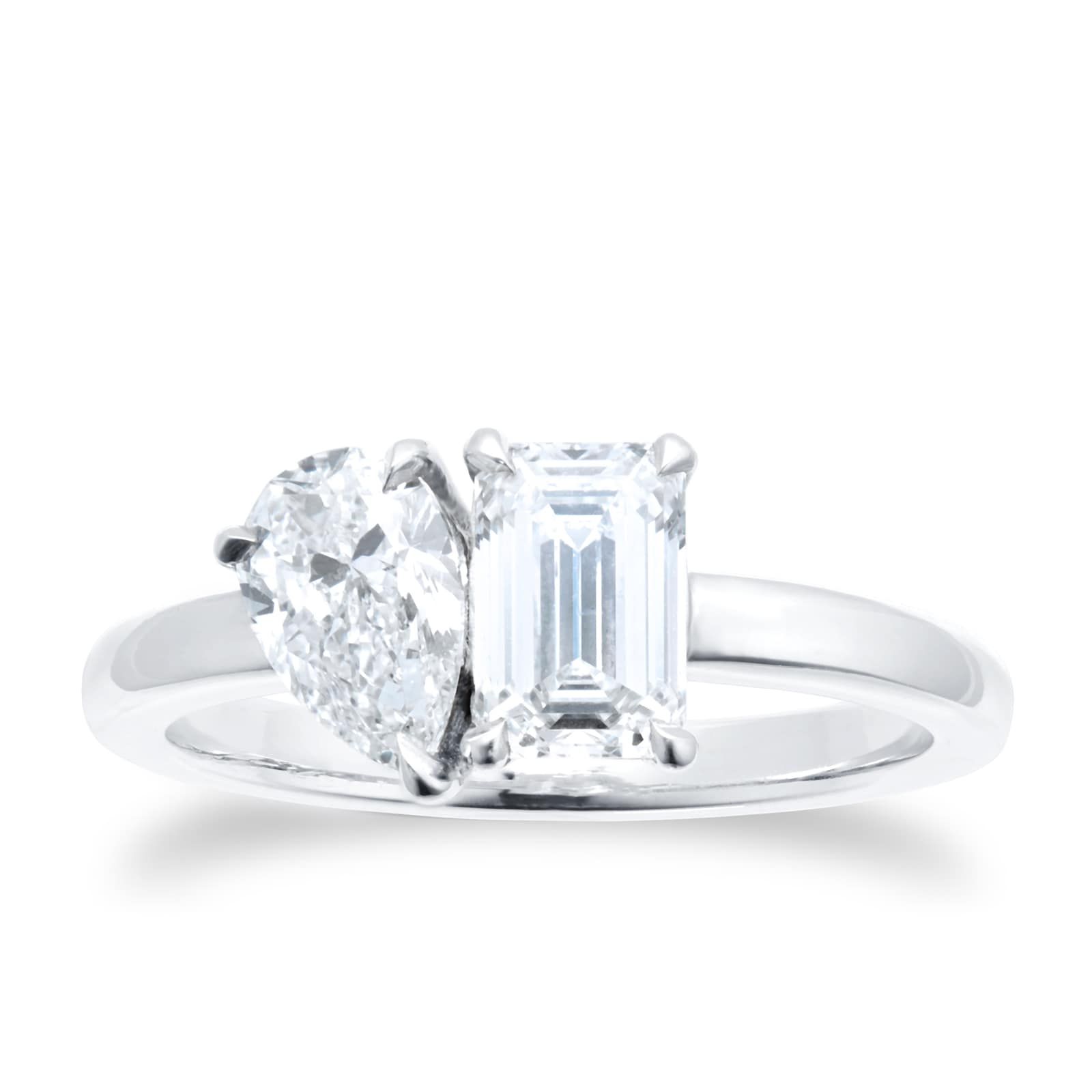
For most UK diamond-ring buyers, platinum is the safest white-metal choice when the ring will be worn daily, especially for engagement wear. It is naturally white, dense, and well suited to secure diamond settings. 18ct gold is the better answer when colour, design variety, existing jewellery match, or a warmer style matters more than a purely white-metal technical choice.
The short version: choose platinum for a diamond ring if you want a naturally white metal that will not need rhodium replating. Choose 18ct gold for a diamond ring if the recipient prefers white, yellow, or rose gold as part of her jewellery style rather than just the diamond setting.
Quick answer
Choose platinum if...
The ring is engagement-led, white-metal, diamond-first, and likely to be worn every day.
Choose 18ct gold if...
Her existing jewellery is yellow, rose, or designer-led, or the ring should feel more decorative than purely bridal.
Watch the white-gold detail
18ct white gold usually has rhodium plating. It looks bright, but may need replating with wear.
Biggest gift risk
Metal is secondary if you do not know her ring size, existing jewellery colour, or whether the ring will be read as a proposal.
What 18ct gold actually means
18ct gold means the alloy is 75% gold, mixed with other metals to create strength and colour. 18ct yellow gold keeps the classic warm look. 18ct rose gold gets its pinker warmth from copper in the alloy. 18ct white gold is gold alloyed to look pale, then usually rhodium plated to create a brighter white surface.
That last point matters. Platinum is naturally white. 18ct white gold is often made bright-white by plating. There is nothing wrong with that, but it changes the maintenance story. A daily white-gold ring may eventually need replating, while platinum normally develops a softer patina rather than a yellowish show-through.
Durability: platinum is dense, gold is harder to generalise
Platinum is dense and tough. When it scratches, the metal tends to move rather than disappear in the same way, which is why platinum develops a soft patina over time. Some people love that lived-in look. Others prefer a bright polish and will want it refreshed periodically.
18ct gold is also a proper fine-jewellery metal, but its behaviour depends on the alloy and finish. It can take a high polish beautifully, and it gives designers more colour flexibility. For a ring that will be worn constantly, though, the practical question is not just "which metal is stronger?" It is how the ring is made, how the diamonds are set, and how often the wearer is happy to maintain it.
Setting security: think about claws, not just the band
Diamond rings fail or survive partly because of the tiny pieces of metal holding the stones in place. Platinum is widely used for important diamond claws because it is dense, durable, and naturally white against the stone. That is one reason buyers often default to platinum for engagement rings and high-value white-diamond settings.
That does not mean 18ct gold is unsafe. A well-made 18ct gold setting can be excellent. But if the ring is a daily engagement ring with exposed claws, platinum is the conservative white-metal answer. If it is a larger statement ring, the whole setting architecture matters just as much as the metal name.
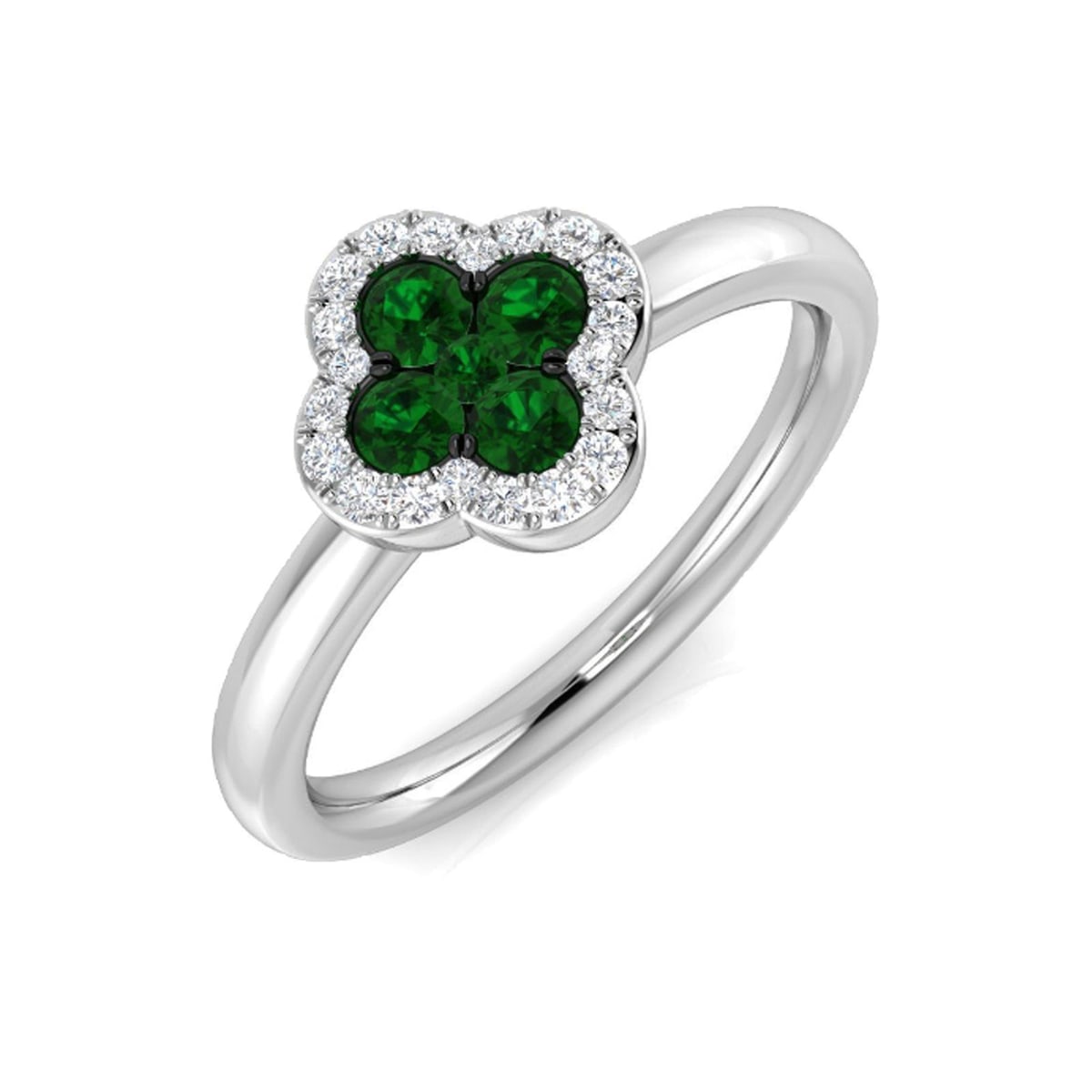
Platinum 0.38ct Round Brilliant Cut Emerald Clover Halo Ring
£1,275
A useful platinum reference for buyers who want the diamond setting itself to feel white-metal, substantial, and diamond-first.
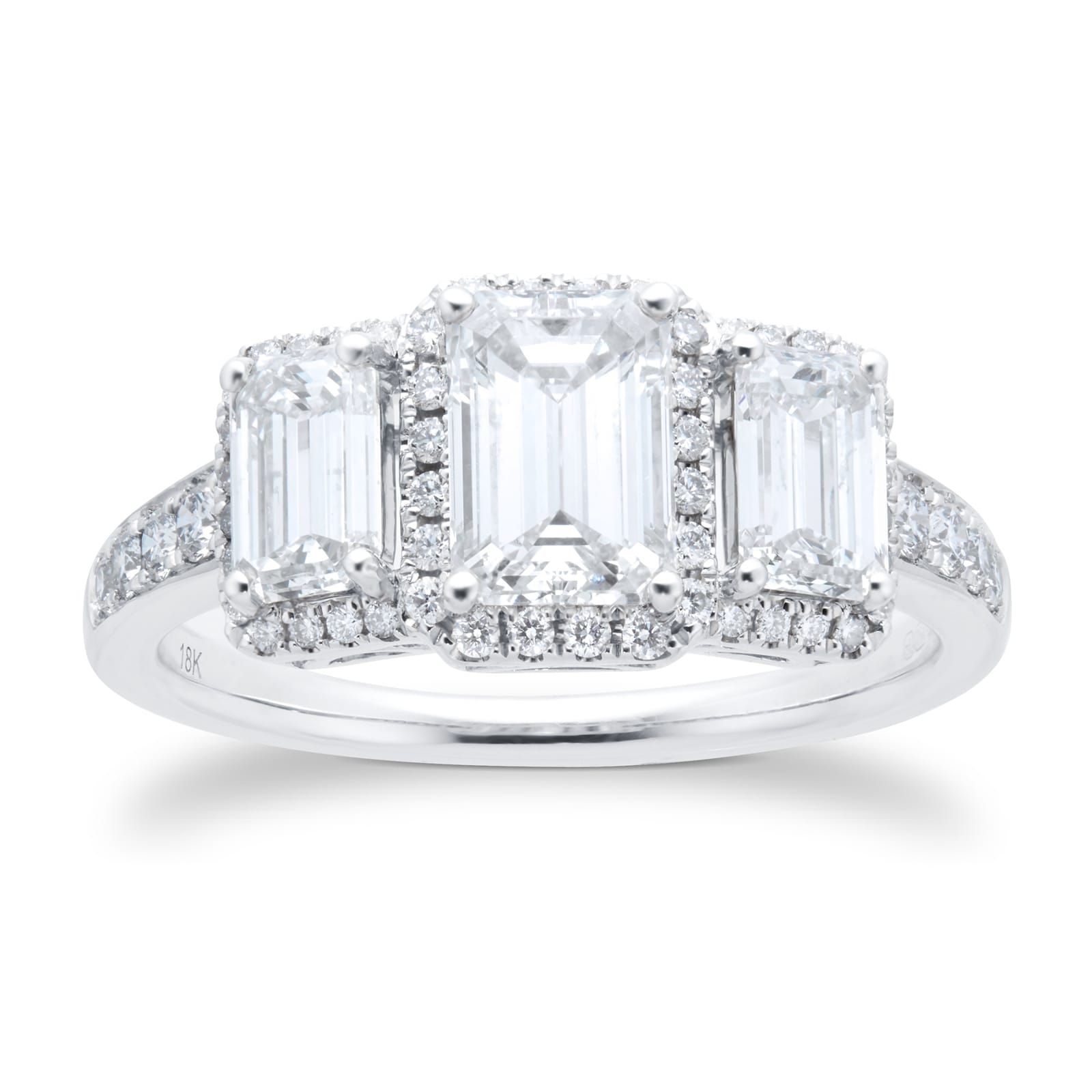
18ct White Gold 2.33ct Three Stone Diamond Ring
£16,000
A strong 18ct white-gold comparison point when the buyer wants an engagement-led diamond ring but prefers gold over platinum.
Colour: platinum stays white, 18ct gold gives you choices
Platinum is the cleanest answer when you want a white metal around diamonds. It does not bring yellow warmth into the setting, so it keeps white diamonds looking crisp. For many buyers, that is the entire point.
18ct gold wins when colour is part of the style decision. Yellow gold can make a diamond ring feel warmer, more classic, and more jewellery-led. Rose gold can soften the look and make a diamond ring feel less formal. 18ct white gold sits closest to platinum visually at first glance, but the maintenance profile is different because of rhodium plating.
If colour tone is the real uncertainty, read White Gold vs Yellow Gold vs Rose Gold before you decide. Platinum versus gold is partly technical. White versus yellow versus rose is much more personal.
Maintenance: replating versus patina
The biggest maintenance difference is simple. Platinum does not need rhodium plating to look white. 18ct white gold usually does. Over time, especially on the underside of a ring or around areas that rub, rhodium can wear and the warmer underlying metal may start to show.
Platinum still needs care. It can scratch, dull, and collect a patina. But the maintenance is more about polishing and checking settings than restoring a bright white plated surface. For a low-fuss daily diamond ring, platinum has the cleaner long-term ownership story.
Price and value: the metal is only one part of the bill
Platinum often costs more than comparable 18ct gold because it is dense and the finished ring can contain more metal by weight. But with diamond rings, the centre stone, total carat weight, brand, cut quality, and setting complexity usually move the price far more dramatically than the metal alone.
That is why current examples can sit close together even when the metals differ. A platinum toi et moi diamond ring and an 18ct white-gold diamond ring can both be major purchases. The smarter question is which one better fits the wearer's life, jewellery colour, and expectations.
Wedding-band matching matters more than buyers expect
If the ring is an engagement ring, think one step ahead to the wedding band. A platinum engagement ring is usually easiest to pair with a platinum band. An 18ct yellow or rose gold engagement ring is usually chosen because that warmth is meant to continue into the stack. Mixing metals can look excellent, but it should be a deliberate style choice rather than an accidental compromise.
Also consider hardness and wear between adjacent rings. Jewellers can advise on the best pairing for a specific setting, especially if the engagement ring has unusual shoulders, pavé, or a shaped profile. The ring should not be judged in isolation if it is going to sit next to another band every day.
Engagement ring versus statement ring
For engagement rings, platinum is usually the safe white-metal default if the budget allows and the recipient likes cool-toned jewellery. It feels traditional without being yellow-gold traditional, and it keeps the focus on the diamond.
For right-hand, cocktail, or designer statement rings, 18ct gold becomes more persuasive. A sculptural warm-gold diamond ring or white-gold statement ring is often bought for design personality, not just bridal practicality. In that context, metal colour is part of the expression.
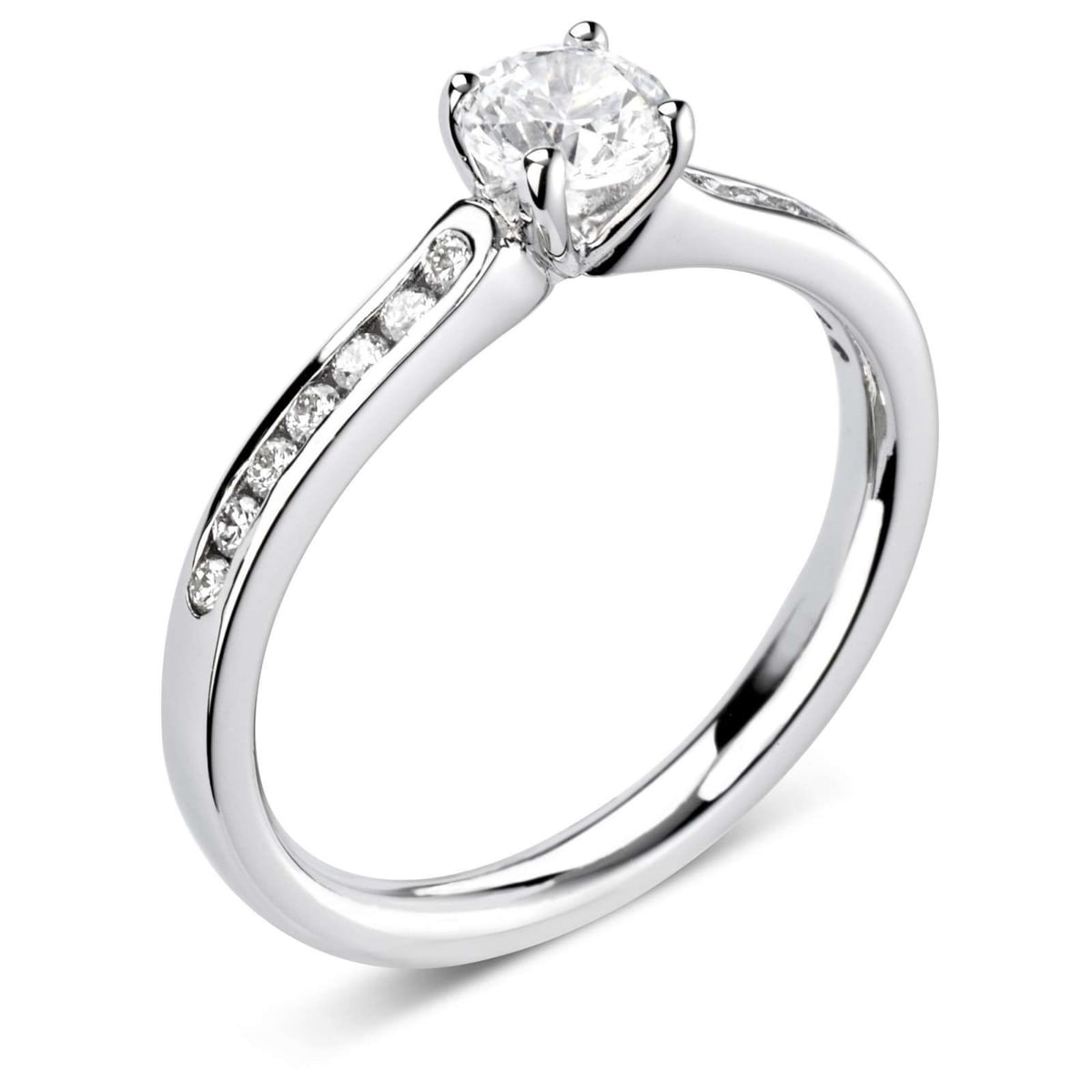
18ct White Gold 0.51ct Round Brilliant Cut Diamond Solitaire Ring
£1,748
A white-gold statement option for buyers who want diamond presence but are not shopping for a traditional platinum engagement setting.
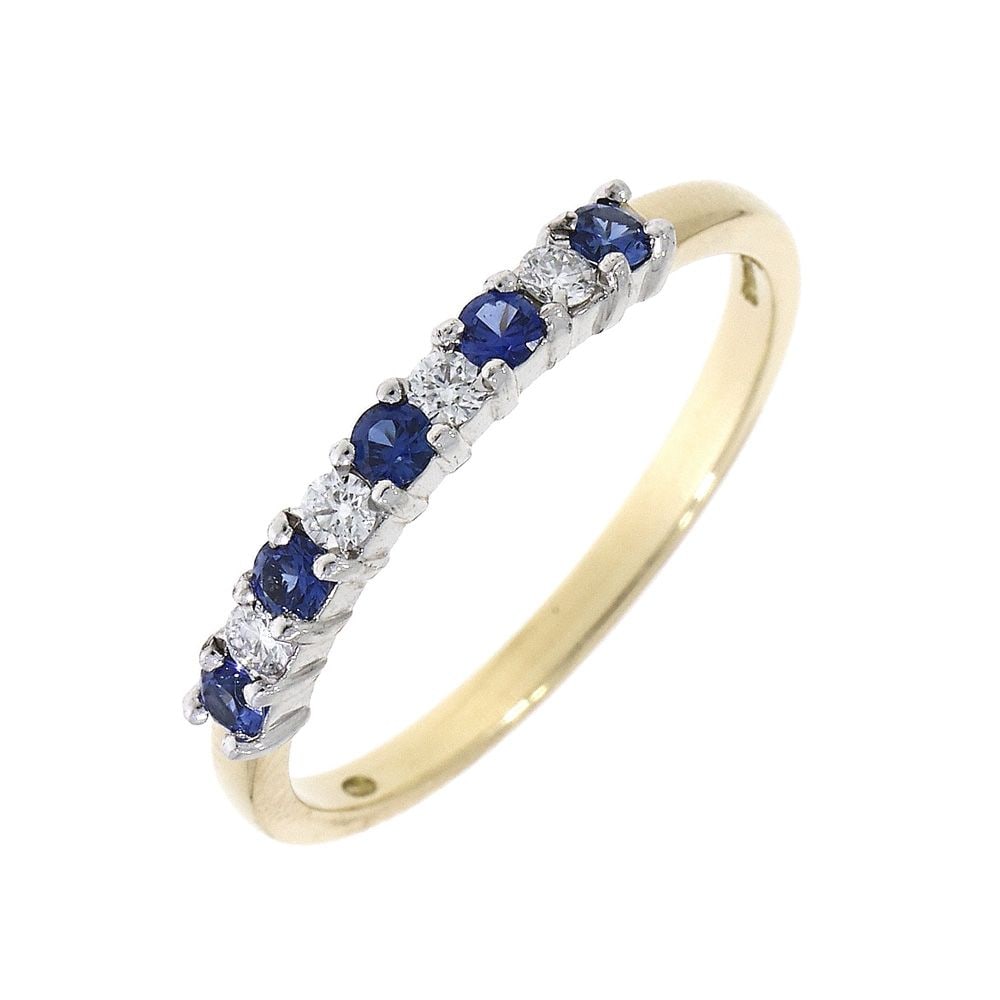
18ct Yellow and White Gold Sapphire and Diamond Eternity Ring
£1,195
A useful reminder that 18ct gold can be the better answer when warmth, designer shape, or existing yellow-gold jewellery matters.
Gift risk: rings are not like necklaces
A diamond ring carries more risk than studs, a pendant, or a bracelet. You need size confidence. You need to know whether she wears rings. You need to understand whether the ring will be interpreted romantically, symbolically, or even as a proposal. Metal choice cannot fix that.
If you are buying a diamond ring as a non-engagement gift, be especially careful with platinum solitaire-style or bridal-looking designs. 18ct gold statement rings can sometimes read more clearly as jewellery gifts, but they still need strong taste confidence. If you do not have that, use How to choose jewellery when you do not know her style before committing.
Final recommendation
Choose platinum when the ring is diamond-first, white-metal, daily-wear, and emotionally important. Choose 18ct gold when the ring needs to match her existing jewellery colour, feel warmer, or lean into designer personality rather than pure engagement-ring convention.
The best metal is not the one that sounds most luxurious in isolation. It is the one that makes the diamond ring believable on her hand, next to her other jewellery, and years after the first moment of giving.
Quick answers
Is platinum better than 18ct gold for a diamond ring?+
Does 18ct white gold need replating?+
Is platinum more expensive than 18ct gold?+
Which metal is safest for an engagement ring?+
Live picks
Live pieces that match this decision
Platinum 0.38ct Round Brilliant Cut Emerald Clover Halo Ring
£1,275
Radiate timeless elegance with this exquisite Emerald and Diamond Clover Halo Ring, expertly crafted in luxurious platinum. At its center, five vibrant round-cut emeralds are delicately arranged in a charming clover p...
Best when you know the recipient’s style and sizing well enough to buy something more personal and less forgiving.
18ct White Gold 0.51ct Round Brilliant Cut Diamond Solitaire Ring
£1,748
18ct White Gold 0.51ct Round Brilliant Cut Diamond Solitaire Ring. Designed to capture light and hearts alike, it features a 0.32ct round brilliant-cut central diamond, enhanced by 22 sparkling accent diamonds (0.19ct...
Best when you know the recipient’s style and sizing well enough to buy something more personal and less forgiving.
18ct White Gold 2.33ct Three Stone Diamond Ring
£16,000
Goldsmiths Collection ring in 18ct white gold, featuring 2.33ct of three-stone diamonds for a more symbolic engagement-led statement.
Best when you know the recipient’s style and sizing well enough to buy something more personal and less forgiving.
18ct Yellow and White Gold Sapphire and Diamond Eternity Ring
£1,195
18ct Yellow and White Gold Sapphire and Diamond Eternity Ring is a Yellow Gold ring from the Pleasance & Harper selection. Supplied new by Pleasance & Harper, an authorised UK stockist trading since 1879. Check the re...
Best when you know the recipient’s style and sizing well enough to buy something more personal and less forgiving.
See also
Luxury Jewellery Buying Guide UK
Use the wider jewellery framework if the metal decision is only one part of the gift brief.
White Gold vs Yellow Gold vs Rose Gold
Helpful if the real question is colour tone rather than platinum versus gold alloy.
Lab-grown vs Natural Diamonds for Gifts
Pair this with the metal guide when diamond origin and visible size are also in play.
How to choose jewellery when you do not know her style
The safer read if the ring is intended as a gift and you are not certain on taste or size.
Keep Browsing The Live Luxury Edit
Move from editorial into the current SimLuxury selection, compare brands and categories, and then step out to the right retailer listing with clearer context.
More helpful resources: