
How To Check Condition When Buying a Pre-Owned Designer Bag
A practical UK guide to checking pre-owned designer bag condition, including corners, leather, hardware, interiors, odour, structure, authentication notes, and when a lower price is not worth the trade-off.
Browse designer bags
Compare current pre-owned bags after you know what condition issues matter.
Browse Chanel
Start with Chanel when you want the largest current pre-owned bag edit.
Condition is the part of pre-owned designer-bag buying that decides whether the price is genuinely good or just tempting. A Chanel, Hermès, Dior, Celine, or Gucci bag can look like a saving in the feed and still be the wrong buy if the wear is in the wrong place.
Quick answer: the most important pre-owned designer bag condition checks are structure, corners, handles, strap wear, hardware, lining, odour, and whether the price honestly reflects those issues. Light surface wear can be fine; sticky interiors, deep staining, heavy odour, cracked leather, and collapsed structure are harder to justify.
This guide is the practical checklist to use before comparing the current designer bag selection. It is especially important now that SimLuxury has a larger pre-owned bag edit, because there are more excellent pieces to compare and less reason to settle for weak condition unless the price clearly compensates.
1. Start with structure, not scratches
Light marks are often less serious than structure loss. A small surface scratch on a dark leather bag may be almost invisible in use. A bag that has collapsed, warped, or lost its base shape can look tired every time it is carried.
This matters most on structured bags. A current Chanel Classic Flap route, Lady Dior, Kelly, or Saddle should still hold its intended shape. If the structure is compromised, the discount needs to be severe.
2. Corners and edges tell you how the bag lived
Corner wear is normal on bags that have been carried often. The question is whether it is light rubbing, visible colour loss, or actual damage. Light rubbing can be acceptable. Cracked piping, exposed base material, and heavy colour transfer are different.
For high-value bags, look at all four bottom corners, the flap edge, handle bases, strap attachment points, and the back panel where the bag touches clothing. These areas usually reveal more than the front glamour shot.
3. Handles and straps matter because they are hard to hide
Handle darkening, glazing cracks, stretched chain leather, and softened strap holes are not automatically deal-breakers, but they are visible every time the bag is used. On a gift purchase, they also make the bag feel more obviously second-hand.
Hermès is the strictest version of this rule. A current Hermès Kelly route or Birkin can still be a strong purchase with light wear, but handle wear should be priced honestly because restoration is specialist and expensive.
4. Interiors are where “excellent outside” can become risky
Always read the description for interior staining, pen marks, make-up marks, loose lining, odour, or sticky coating. Interior wear is easy to miss because product cards usually show the outside first. It matters because many interior issues cannot be fully reversed.
A clean exterior with heavy interior staining is usually better for someone buying for themselves than for a gift. If you are giving the bag, interiors should be clean enough that the first impression still feels special.
5. Hardware wear is acceptable until it changes the mood
Light hairline scratches on hardware are normal. Deep tarnish, missing plating, loose turn-locks, damaged zip pulls, or weak clasp tension are more serious. Hardware is part of the visual identity on Chanel, Dior, Gucci, and Saint Laurent, so tired hardware can make the whole bag feel tired.
On the current Lady Dior route, for example, charms and hardware are central to the bag’s presence. If those parts look worn out, it changes the bag more than a small mark on the base would.
6. Be stricter above £5,000
The higher the price, the less tolerance you should have for ambiguous condition notes. Above £5,000, you should expect clearer photography, more detailed descriptions, and fewer compromises unless the bag is rare, discontinued, or materially under market.
That does not mean every expensive bag must be immaculate. It means the condition story should make sense. A rare Hermès in good condition can still be a better buy than a common bag in excellent condition, but the trade-off should be intentional rather than accidental.
7. Avoid condition problems that are hard to price
- Odour is hard to judge online and can be difficult to remove.
- Sticky lining can worsen over time.
- Deep stains are rarely fully reversible.
- Cracked leather is more serious than surface scratching.
- Missing parts only make sense when the discount is obvious.
Final advice
The best pre-owned bag is not always the cheapest example of the model. It is the one where condition, price, rarity, and future wear all make sense together. If two bags are close in price, choose the cleaner one. If a worn bag is substantially cheaper, ask whether the wear is somewhere you will actually notice.
Start with all designer bags, then use the budget guide once you know how much you want to spend.
Quick answers
What condition issues matter most on a pre-owned designer bag?+
Is “very good” condition enough for a luxury bag?+
Should you avoid all pre-owned bags with corner wear?+
Live picks
Live pieces that match this decision
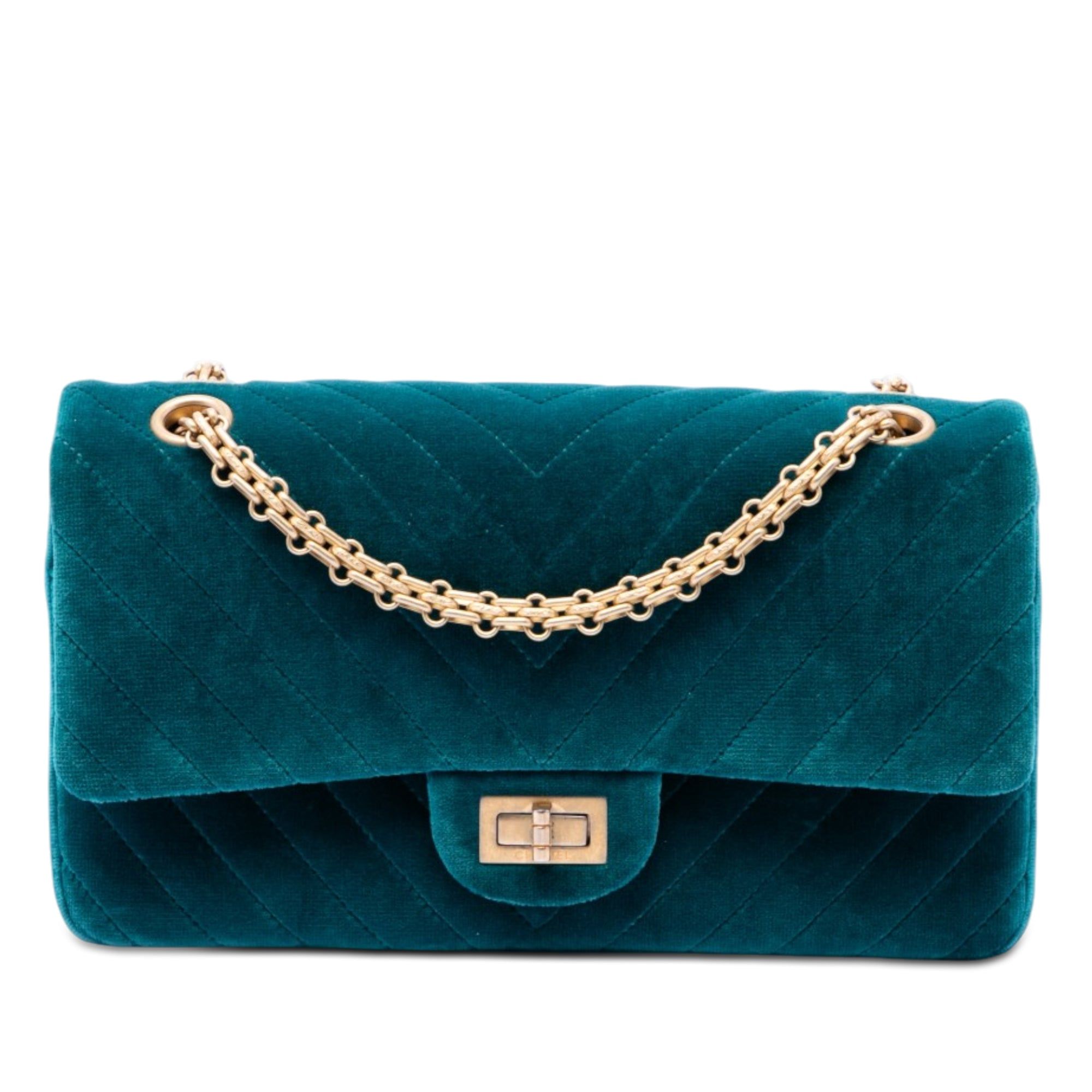
Chanel Chevron Velvet Reissue 2.55 Double Flap 225
£2,891
This shoulder bag features a quilted velvet body, chain link straps, double front flaps with squared Mademoiselle turn lock closure, an exterior back slip pocket, and interior zip and slip pockets. Condition note: Ext...
Best when the recipient already wears this kind of bag shape and the luxury value is tied to repeat use, not just logo impact.
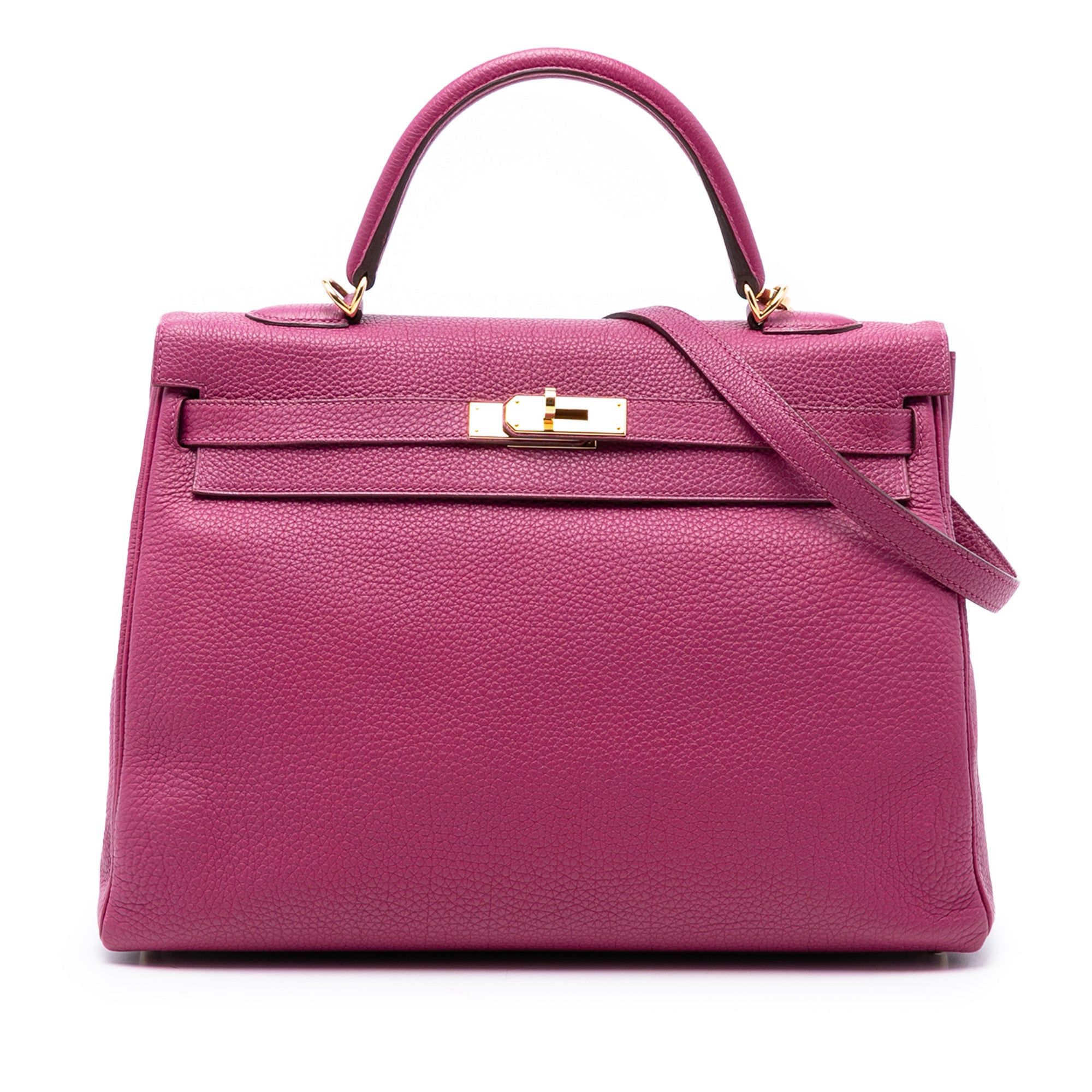
Hermès Togo Kelly II Retourne 35
£8,037
This Kelly II features a Togo leather body in Tosca color, a flat leather top handle, a detachable flat strap, a top flap with twist lock closure, and interior zip and slip pockets. Condition note: Exterior Back Creas...
Best when the recipient already wears this kind of bag shape and the luxury value is tied to repeat use, not just logo impact.
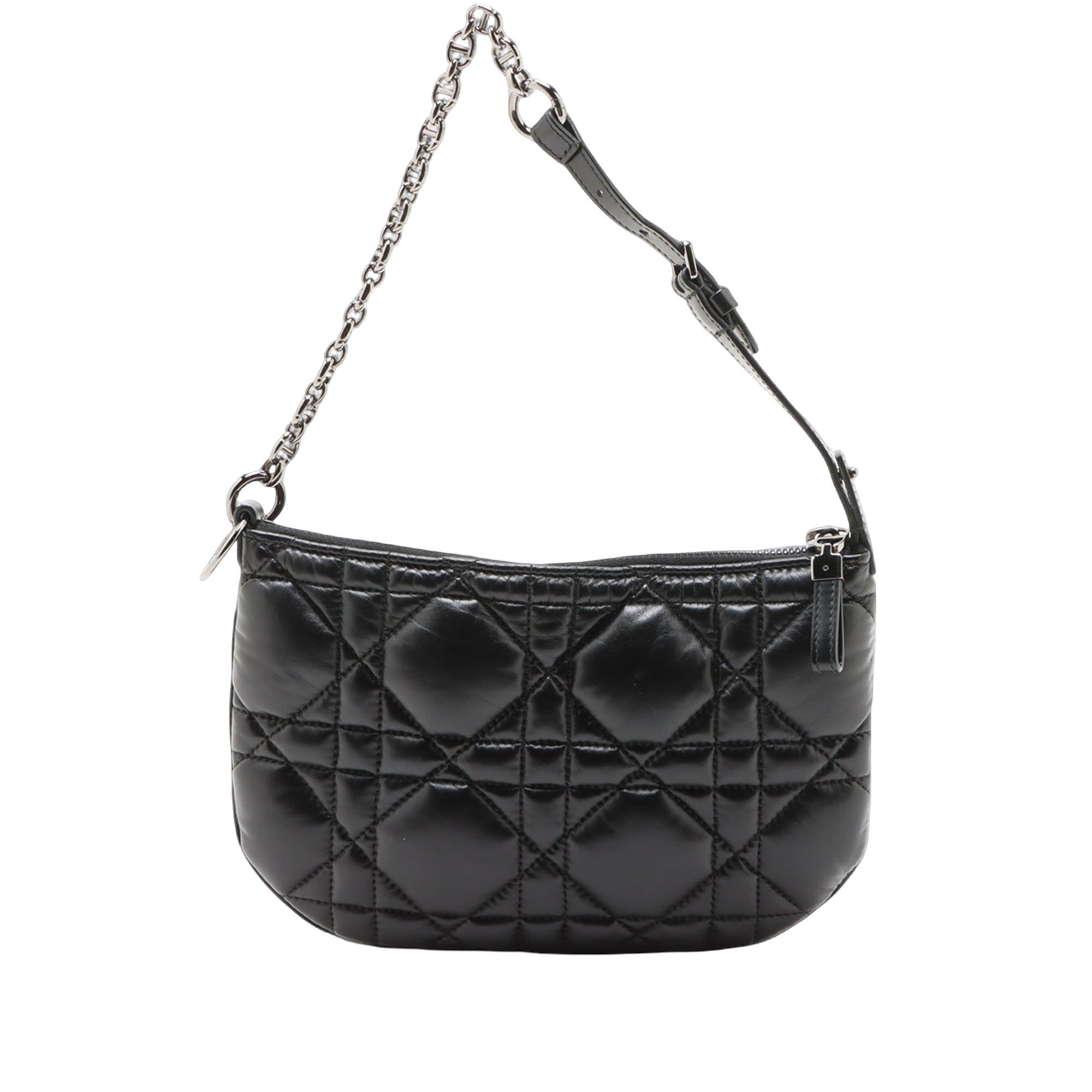
Dior Mini Calfskin Macrocannage Dior Caro Tulip Bag
£1,690
This shoulder bag features a quilted leather body, a chain and leather strap, and a top zip closure. Condition note: Exterior Back Creased. Exterior Front Scratched. Exterior Handle Creased. Interior Lining Scratched.
Best when the recipient already wears this kind of bag shape and the luxury value is tied to repeat use, not just logo impact.
See also
Lambskin vs calfskin vs grained leather
Read this first when assessing condition, because the leather type decides how much wear is normal.
Pre-Owned Chanel Bags UK
Use this once you are checking Chanel Classic Flap, Boy, 19, 22, and Wallet on Chain options.
Hermès Bags UK
The condition stakes are highest when you move into Birkin, Kelly, Constance, and higher-budget Hermès bags.
Best Pre-Owned Designer Bags by Budget
Compare what condition standards should look like as spend moves from £1,500 to £10,000+.
Keep Browsing The Live Luxury Edit
Move from editorial into the current SimLuxury selection, compare brands and categories, and then step out to the right retailer listing with clearer context.
More helpful resources: