
Luxury Watches Over £10,000 UK | From First Serious to Haute Horlogerie
A practical guide to luxury watches over £10,000 in the UK, structured by price band: from first serious purchases around £10k to £20k through to true haute horlogerie at £100,000 and above.
Browse live watches
Compare what is actually available now, rather than staying in the brand argument.
Build a shortlist
Pre-fill the concierge by category so the next step is five live pieces, not a blank form.
Spending over £10,000 on a watch is a different kind of decision from spending a few thousand. The buyer is no longer choosing between brands. They are choosing between fundamentally different ideas about what a watch should be — and at the upper end, between fundamentally different ideas about what horology can achieve. Treating the whole tier as one category makes comparison harder rather than easier.
This guide structures the decision by price band. Each band has a different character, a different buyer, and a different set of trade-offs. Use the watches category to browse the full current SimLuxury selection alongside this guide.
At a glance
What usually changes above £10,000
- More serious movement quality and finishing
- Stronger brand or collector prestige
- More specific decisions about rarity, complication, and ownership intent
Questions to answer first
- Is this a milestone watch, collection addition, or visible status purchase?
- Do you want brand prestige, independent watchmaking depth, or both?
- Is pre-owned opening access, or are you committed to current production?
1. £10,000–£20,000: the entry to serious luxury
The £10,000–£20,000 band is where watches stop being premium and start being genuinely significant objects. The step up from £5,000 is not just price: it is case quality, movement heritage, and the sense that the piece was designed to last a lifetime rather than a decade.
At this level, pre-owned opens up choices that new stock cannot. Pre-Owned Rolex Datejust 18ct Gold Bracelet Watch is a case in point: an 18ct yellow gold Datejust proposition with the kind of full-gold presence that would be far harder to reach through current-production buying. That kind of reference often appears in store-of-value conversations, but the watch still needs to make sense as something you actually want to own.
Buyers in this band who prefer new production should widen to the £20,000–£35,000 range, where independent watchmaking starts to open up meaningfully.
2. £20,000–£35,000: independent watchmaking at its most accessible
The most interesting watches between £20,000 and £35,000 are largely from brands outside the mainstream conversation — houses that reward buyers who know what they are looking for and are not primarily buying for external recognition.
Czapek & Cie is one of the strongest arguments in this band. Czapek Antarctique Passage de Drake Glacier Blue Watch is a beautifully composed sports-luxury watch with a proprietary movement and a dial that rewards close attention. Czapek Antarctique Polar Sky Limited Edition Watch pushes the same formula into more visually striking territory. Czapek is for buyers who want genuine independent watchmaking without paying the full Patek or AP premium and who do not need the piece to be immediately legible to non-watch buyers.
H. Moser & Cie also enters at this level. H. Moser & Cie Streamliner Centre Seconds Purple Haze 40mm Watch has the most distinctive dial language of any watch in this band: a fumé gradient in deep purple, a fully integrated bracelet, no brand name on the dial. H. Moser dials make most competitors' dials look ordinary. If dial character is the priority and brand visibility is not, this is the strongest argument in the £20k–£35k range.
Glashütte Original Senator Cosmopolite 44mm Blue Watch is a GMT complication with a day/night indicator and a dual time zone display in a more architecturally conservative format. For buyers who want German watchmaking heritage and practical travel utility rather than avant-garde design, this is the logical entry.
3. £35,000–£50,000: complications, design depth, and the first Patek entry
Between £35,000 and £50,000 the field narrows significantly, and the strongest watches in it are also some of the most distinctively designed in the entire current selection.
Girard-Perregaux earns its place at this level more clearly than any other brand. Girard-Perregaux Laureato Skeleton 42mm Watch and Girard-Perregaux Laureato Skeleton Ceramic Watch take one of the great integrated-bracelet sports watch silhouettes and open it up: the skeletonised movement is not decorative, it is structural to the identity of the piece. The Laureato Skeleton in steel is the stronger first buy; the ceramic reference adds material rarity for buyers who want to go further.
For dress watch depth, Girard-Perregaux Classic Bridges Rose Gold 40mm Watch shows the other face of the brand: the Bridges collection is where Girard-Perregaux's architectural movement design becomes most legible. Three gold bridges crossing the movement at precise angles is not an accident; it is the design language the brand has used since 1867. Girard-Perregaux Classic Bridges Rose Gold 40mm Watch scales the statement up for buyers who want more presence on the wrist.
Patek Philippe appears at this level too. Patek Philippe Annual Calendar 5235G-001 Watch is the most accessible current Patek in price terms and one of the most unusual in dial design, with a regulator-style display that separates hours, minutes, and seconds across independent subdials. It is the watch to buy if you want Patek's brand authority and movement depth at the most achievable current price. Patek Philippe Annual Calendar Chronograph 40.5mm Rose Gold Watch adds a flyback chronograph to the annual calendar, a genuine complication stack rather than decoration. Read the Patek Philippe buyer's guide for a fuller treatment of the brand's collection families.
4. £50,000–£100,000: collector-tier prestige and haute complications
Above £50,000 the market changes character again. The buyer is no longer comparing watches on specification. They are comparing them on rarity, movement authority, and the kind of ownership experience that only comes with pieces produced in very small numbers by brands with very long histories.
Patek Philippe dominates this band. Patek Philippe Complications 5905P-010 Grey Dial Watch is a combined annual calendar and flyback chronograph in a platinum case. It is not a bargain in any ordinary sense. It is a competitive current route into one of the most mechanically accomplished Swiss watches you can buy without being on a waiting list. Patek Philippe Nautilus 36mm Yellow Gold Watch is the brand's most iconic silhouette, and in yellow gold one of the most visually striking current Pateks on the site.
Arnold & Son provides the strongest argument for fine watchmaking outside the Patek conversation. Arnold & Son Ultrathin Tourbillon Platinum 41.5mm Watch is a platinum-cased ultra-thin tourbillon with a green dial, competing aesthetically and mechanically with watches priced considerably higher. Arnold & Son is not a household name, which means it is consistently underpriced relative to movement quality. At this level, that is a genuine advantage.
Parmigiani Fleurier offers two distinct arguments. Parmigiani Fleurier TONDA PF GMT Rattrapante Rose Gold 40mm Watch is one of the most technically interesting watches in the entire current selection: a rattrapante GMT complication in rose gold with a midnight blue dial. The rattrapante mechanism on a GMT is extremely rare. This is not a watch you see often. For buyers who want a piece that serious watch people will recognise and admire, this is the strongest current option at this price band.
5. £100,000 and above: haute horlogerie
Above £100,000 the purchase stops being primarily about telling the time or even about brand prestige. These are horological objects: acquisitions that sit at the intersection of fine art, engineering, and heritage. The buyer at this level is either a serious collector or someone for whom price is genuinely not the limiting factor.
Girard-Perregaux Neo-Tourbillon with Three Bridges Skeleton is the most architecturally dramatic watch currently available on SimLuxury. A skeletonised tourbillon suspended between the three signature gold bridges, with everything non-essential removed to make the movement the entire object. It is the clearest statement of what Girard-Perregaux is, stripped of everything else.
H. Moser & Cie Streamliner Tourbillon 40mm Watch takes the opposite approach: maximum restraint. The fumé dial, the fully integrated bracelet, and the tourbillon visible at six o'clock are all the decoration this piece needs. H. Moser at this level is a statement of taste rather than wealth; the watch rewards people who know, not people who need to be told.
At the absolute top, Richard Mille RM11-01 Roberto Mancini Flyback Chronograph 49mm Watch is a different category entirely. Richard Mille makes watches that look like nothing else produced: the tonneau case, the exposed skeletonised architecture, the high-tech case materials. The RM11-01 in particular is a limited edition with specific model provenance. This is not a purchase requiring justification. It is a statement that needs no context.
How to choose a luxury watch over £10,000
The one mistake buyers consistently make above £10,000 is spending too long on specification comparisons and too little time on intent. Before price, case dimensions, or movement complications, the more useful question is: what is this purchase actually for? A personal milestone, a collection addition, a piece that grows in meaning over decades, or a visible luxury signal for a specific context? The answer shapes which price band and which brand makes sense more clearly than any comparison chart.
For pre-owned pieces at any of these levels, the documentation and listing clarity matter more as the price rises, not less. Read the pre-owned watch buying guide before committing above £10,000. For the lower end of this tier, the guide to luxury watches under £5,000 is a useful frame for understanding what the step up to £10,000+ actually changes.
Buying tips for the £10,000-plus tier
- Separate prestige from horology. They overlap, but not always in the same watch.
- Do not compare the whole tier as one market. A £14,000 gold Datejust and a £68,000 Parmigiani solve completely different briefs.
- Raise your standards for listing quality as the price rises. Documentation, service clarity, retailer quality, and provenance matter more, not less.
Final advice
The best watch above £10,000 is not the most expensive one you can afford. It is the one where the price band, the brand, the complication, and the personal meaning align clearly. Most buyers find that once they separate intent from budget, the shortlist becomes surprisingly obvious.
Browse the full current selection at watches, explore the Patek Philippe collection for the prestige tier, or start with pre-owned luxury watches if pre-owned is the priority.
Quick answers
What should you expect from a watch over £10,000?+
Which brands make the best luxury watches over £10,000 in the UK?+
Is it better to buy new or pre-owned above £10,000?+
What is haute horlogerie?+
Live picks
Live pieces that match this decision
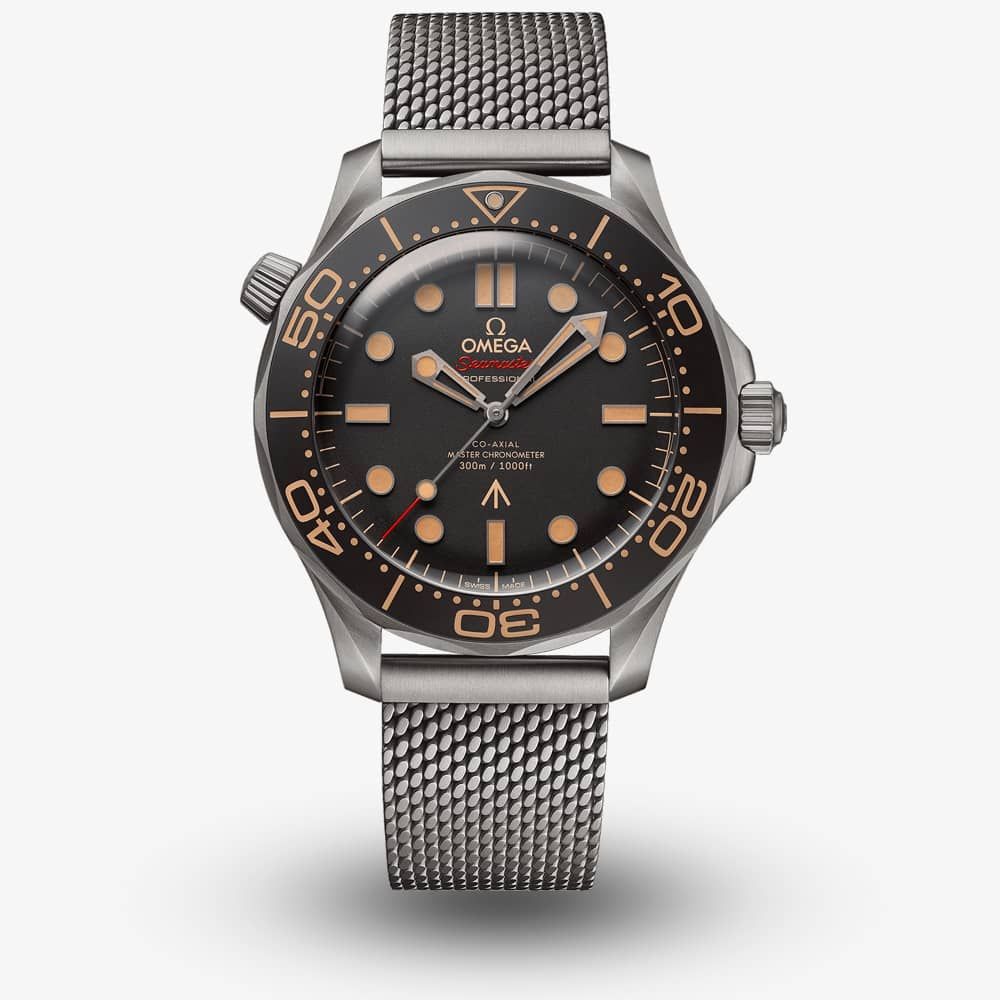
OMEGA Seamaster James Bond 007 Edition Watch 210.90.42.20.01.001
£9,500
The No Time To Die Seamaster is the standout halo addition from this batch because it gives the range an instantly recognisable titanium OMEGA hero piece with real collector pull. It is especially valuable for editori...
Best when you want a luxury watch that still feels wearable, understandable, and sensible for real life.
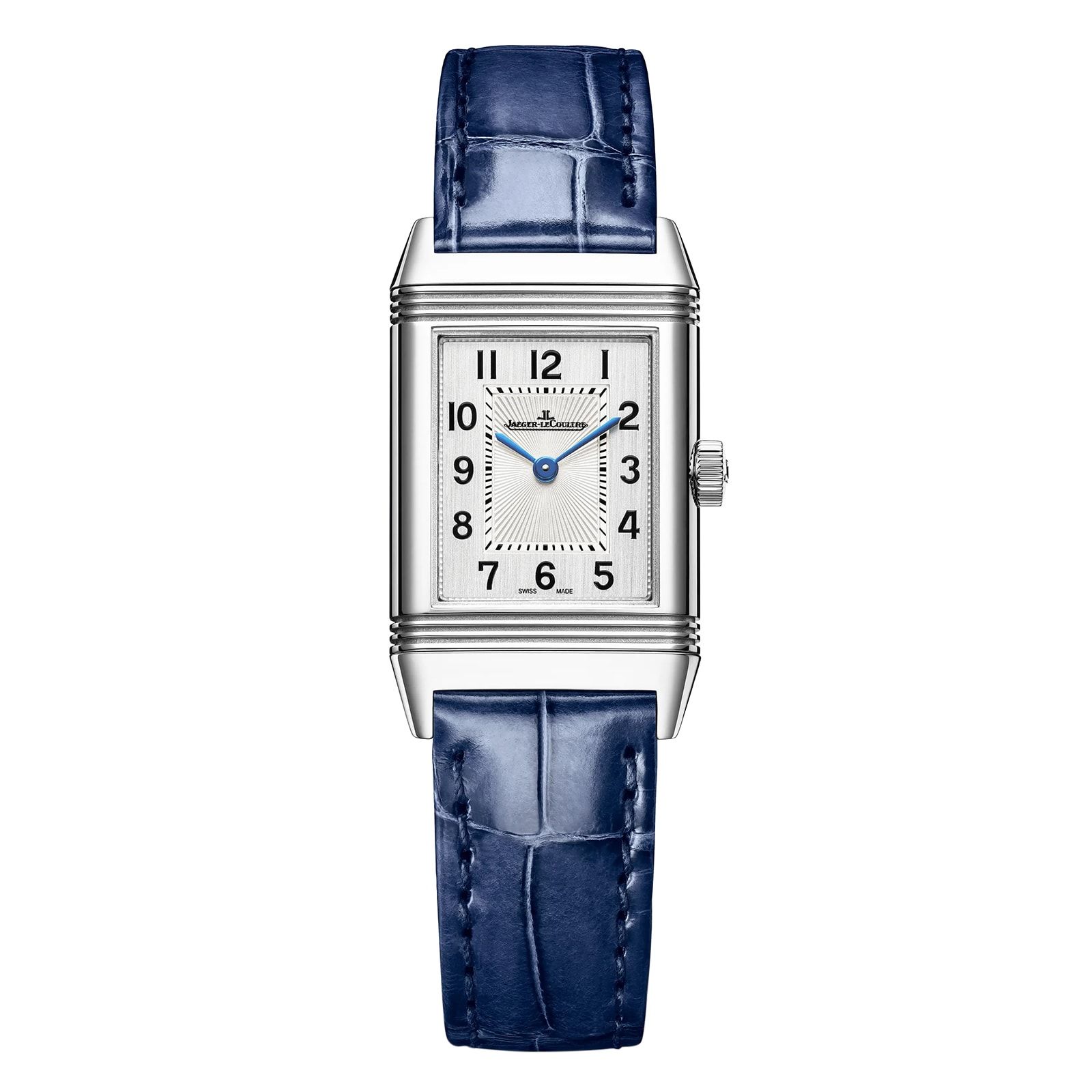
Reverso Classic Small
£7,200
A classic small Reverso in stainless steel, staying close to the original Art Deco polo-watch proportions. This gives the watch selection a cleaner, more legible Jaeger-Le Coultre entry than the more complex Duetto re...
Best when daily wear, simplicity, and lower-maintenance ownership matter more than mechanical romance.
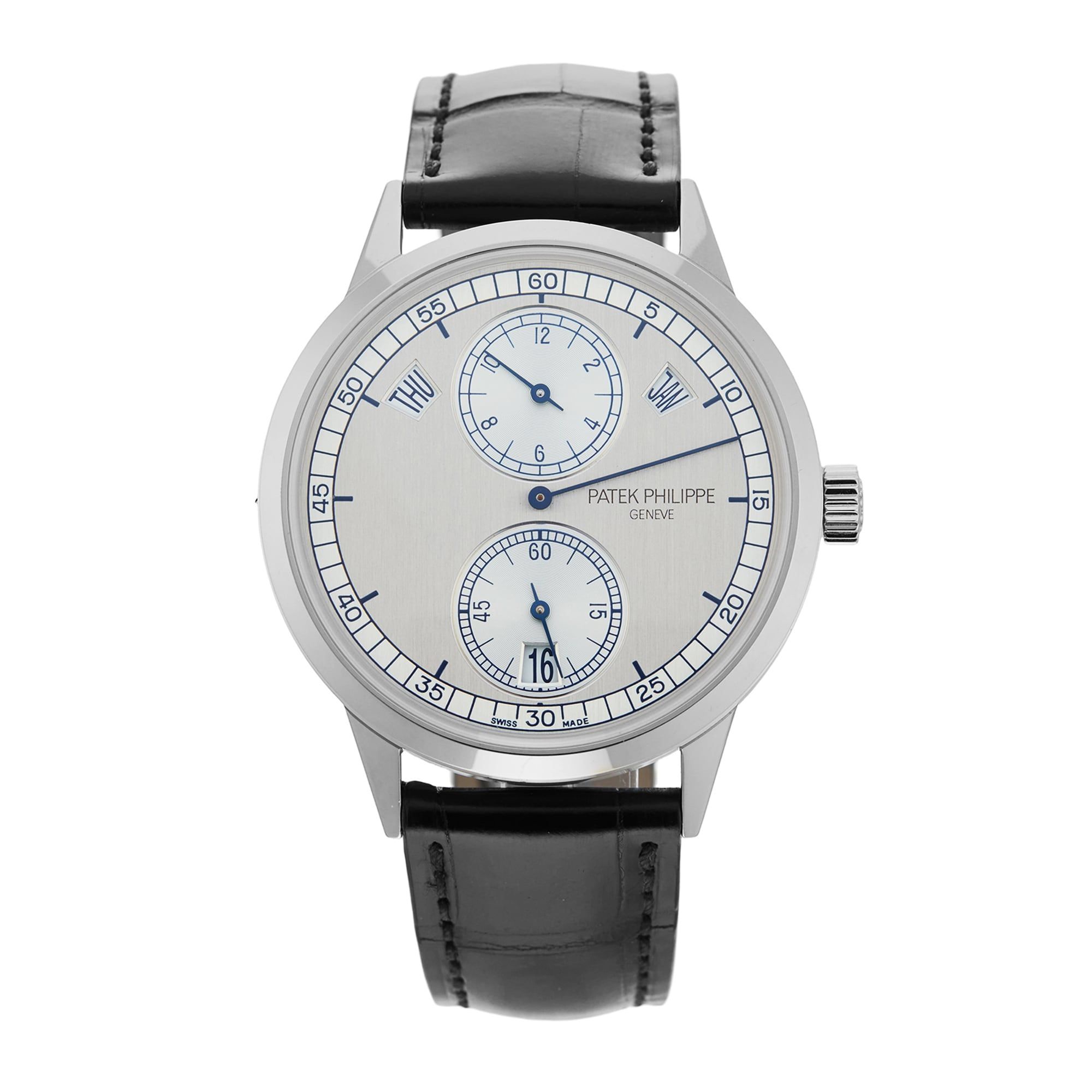
Patek Philippe Annual Calendar 5235G-001 Watch
£36,950
The 5235G-001 adds an immediately recognisable regulator-style Patek reference that feels different from the rest of the brand’s complication lineup on the site. It is a very useful piece for making the Patek edit loo...
Best when you want stronger brand access, but still need to check condition, documentation, and retailer confidence carefully.
See also
Luxury watch buying guides hub
Browse the main watch guide hub across budget bands, brand routes, and pre-owned support.
Luxury watches between £5,000 and £10,000
Compare the band below if you are testing whether £10,000+ really changes the kind of watch you can buy.
Investment watches UK
Useful if long-term resale strength is part of the five-figure watch conversation.
Patek Philippe watches UK buying guide
Useful if the prestige tier is narrowing specifically toward Patek rather than the whole market.
How to buy a pre-owned watch in the UK
Important reading before committing to any five-figure pre-owned listing.
Keep Browsing The Live Luxury Edit
Move from editorial into the current SimLuxury selection, compare brands and categories, and then step out to the right retailer listing with clearer context.
More helpful resources: