
Luxury Necklaces in the UK | How To Compare Pendants, Gemstones and Tennis Styles
A practical SimLuxury guide to luxury necklaces in the UK, including when to choose pendants, gemstone pieces, tennis styles, and quieter daily-wear necklaces.
Browse jewellery gifts
See live earrings, pendants, and bracelets once the budget band is fixed.
Build a shortlist
Pre-fill the concierge so the next step is giftable live pieces, not more theory.
Luxury necklaces are easier to browse once you admit they are not one category in practice. A tennis necklace, a diamond pendant, a gemstone cluster necklace, and a quieter daily-wear piece may all be “luxury necklaces”, but they solve very different needs.
That is why a cleaner page matters. If you already want the wider necklace view, start with the luxury necklaces page. If you know you only want diamond pieces, go straight to diamond necklaces. If the real brief is gifting rather than self-purchase, the sharper next read is now Diamond Necklace Buying Guide UK inside the broader Luxury Jewellery Buying Guide UK cluster.
1. Pendants are usually the easiest place to start
Pendant necklaces work because they are legible. They usually offer a clearer focal point and can read as daily luxury without needing the stronger statement energy of a tennis or wider-set piece. That makes them especially useful for first-time fine-jewellery buyers and gift shoppers.
They are also easier to compare because the central design language tends to be more obvious from the start.
2. Tennis and statement necklaces need a stronger wear context
A tennis-style necklace or more visibly occasion-led diamond piece should usually be bought with a clearer idea of wear pattern. Is this for events, formal dressing, milestone gifting, or a specific wardrobe? If that answer is vague, the buyer often ends up paying for presence they do not use often enough.
That does not make statement necklaces wrong. It just makes them more dependent on context than pendant-led styles.
3. Gemstones quickly shift the choice from “diamond staple” to “colour-led piece”
Once emerald, aquamarine, sapphire, ruby, tanzanite, or Morganite enters the decision, colour becomes part of the purchase identity. That can be an advantage. A gemstone necklace often feels more distinct and more personal than a very safe diamond default.
The trade-off is that colour usually makes the piece more specific, which can narrow its styling flexibility depending on how the wearer dresses.
4. Gift buyers should usually start cleaner than self-purchasers
When you are buying for yourself, you can choose something more individual. When you are buying as a gift, cleaner usually travels better. That is one reason pendants and simpler diamond necklaces remain strong gifting categories.
If the purchase is more about gifting than category shopping, compare the necklace pages with luxury gift pages or the broader jewellery hub depending on who the piece is for.
5. Use metal and chain presence to refine the mood
A necklace can feel cool, warm, understated, or quite decorative before the stone choice even takes over. White metals often read cleaner and more modern. Yellow or rose gold can feel softer or more expressive depending on the pendant shape and gemstone pairing.
The chain also matters more than buyers expect. Some necklaces are all about the pendant. Others use the chain as part of the look. That difference changes how “minimal” the final piece really feels.
6. A better necklace comparison looks at function, not just price
- One everyday pendant option for easy, repeat wear.
- One diamond-led occasion option for a more elevated luxury feel.
- One gemstone-led option if you want personality and colour rather than pure neutrality.
That usually gives a more useful decision framework than comparing three very similar diamond pieces on price alone.
Final advice
The best luxury necklace is usually the one whose role is clearest. Daily pendant, statement diamond piece, or colour-led jewellery style can all make sense, but only once the use case is honest.
Start with the luxury necklaces page, narrow to diamond necklaces if needed, and widen to the full necklaces category when you want a broader comparison.
Quick answers
Should I start with luxury necklaces or diamond necklaces?+
Live picks
Live pieces that match this decision
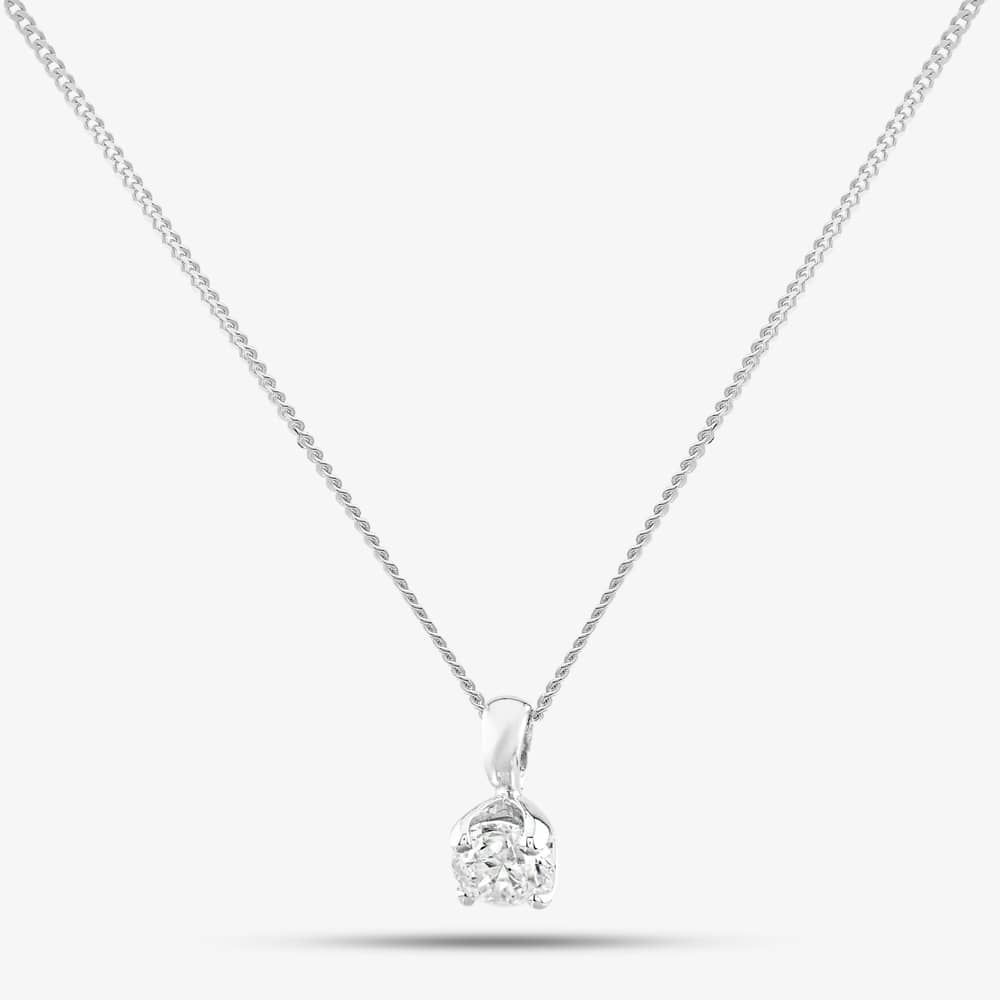
18ct White Gold 0.40ct Brilliant Cut Diamond Solitaire Necklace
£1,399.95
18ct White Gold necklace set with diamond in a solitaire profile. Solitaire styling keeps the focus on the centre stone and works well for cleaner wardrobes.
Best when the jewellery should feel meaningful, wearable, and clearly more elevated than a generic luxury gift.
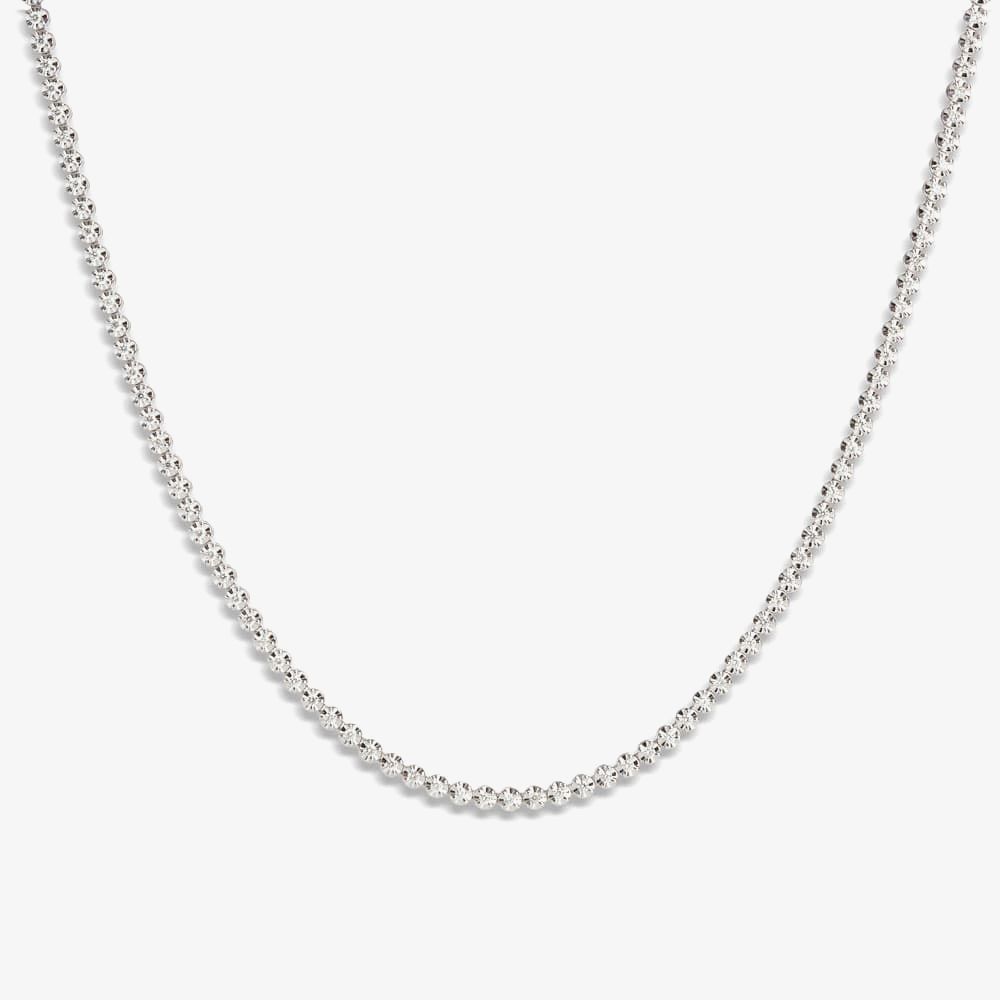
18ct White Gold Rosabella Diamond Tennis Necklace
£2,995.00
18ct White Gold necklace set with diamond in a necklace profile. It is best suited to dressier gifting or occasions where the finish matters.
Best when the jewellery should feel meaningful, wearable, and clearly more elevated than a generic luxury gift.
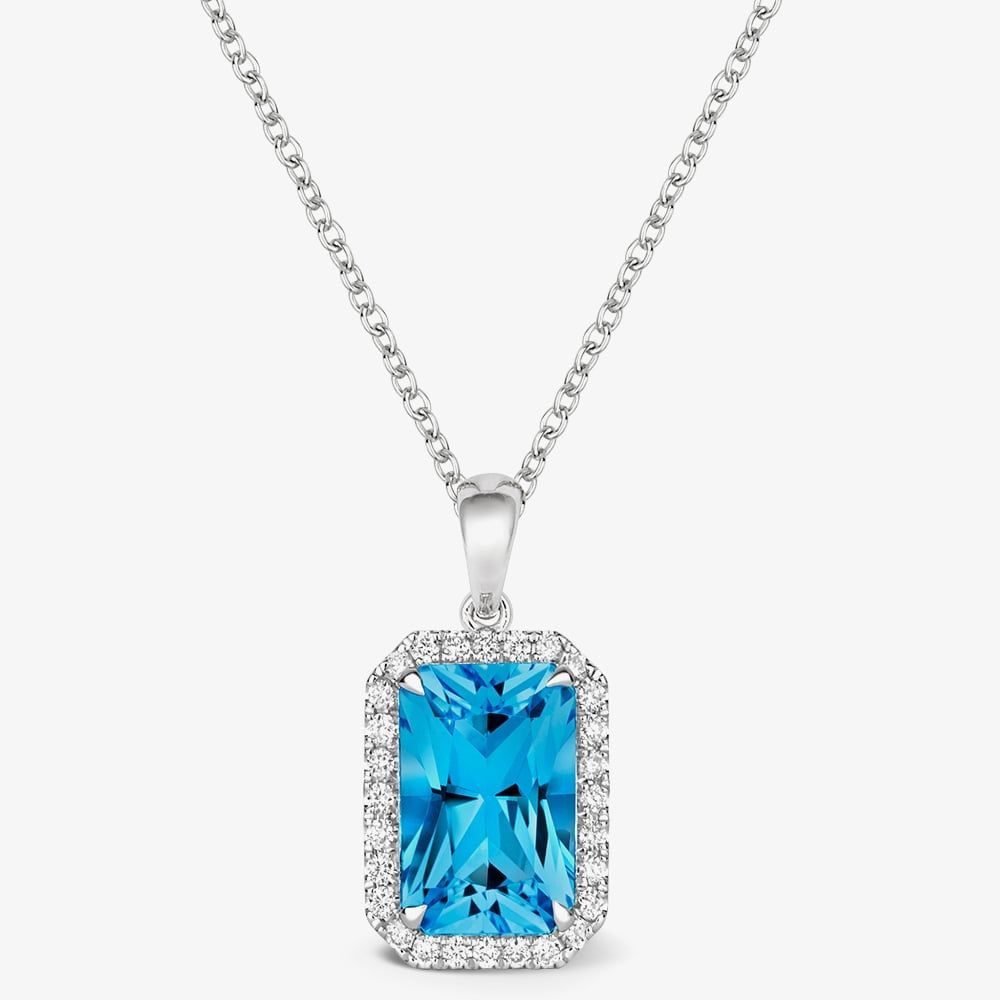
Tivon Classic 18ct White Gold Blue Topaz & Diamond Cluster Necklace
£1,165.00
18ct White Gold necklace set with topaz & diamond in a cluster profile. The cluster layout adds extra visual spread without needing a larger single stone.
Best when the jewellery should feel meaningful, wearable, and clearly more elevated than a generic luxury gift.
See also
Luxury gifts for him UK
The right page if the necklace is being considered for a man and the category decision is still open.
Luxury Jewellery Buying Guide UK
Return to the main jewellery framework if you still need the broader gift-confidence logic first.
Diamond Necklace Buying Guide UK
The stronger next step if this choice is really about gifting and symbolism rather than generic necklace browsing.
How to Choose Jewellery When You Don't Know Her Exact Style
Useful if the necklace category feels right but the recipient’s exact taste still needs decoding.
Best Anniversary Jewellery Gifts
Helpful when the necklace purchase is tied to a romantic milestone rather than a general jewellery browse.
White Gold vs Yellow Gold vs Rose Gold
Worth reading because metal tone changes the mood of a necklace faster than many buyers expect.
Keep Browsing The Live Luxury Edit
Move from editorial into the current SimLuxury selection, compare brands and categories, and then step out to the right retailer listing with clearer context.
More helpful resources: